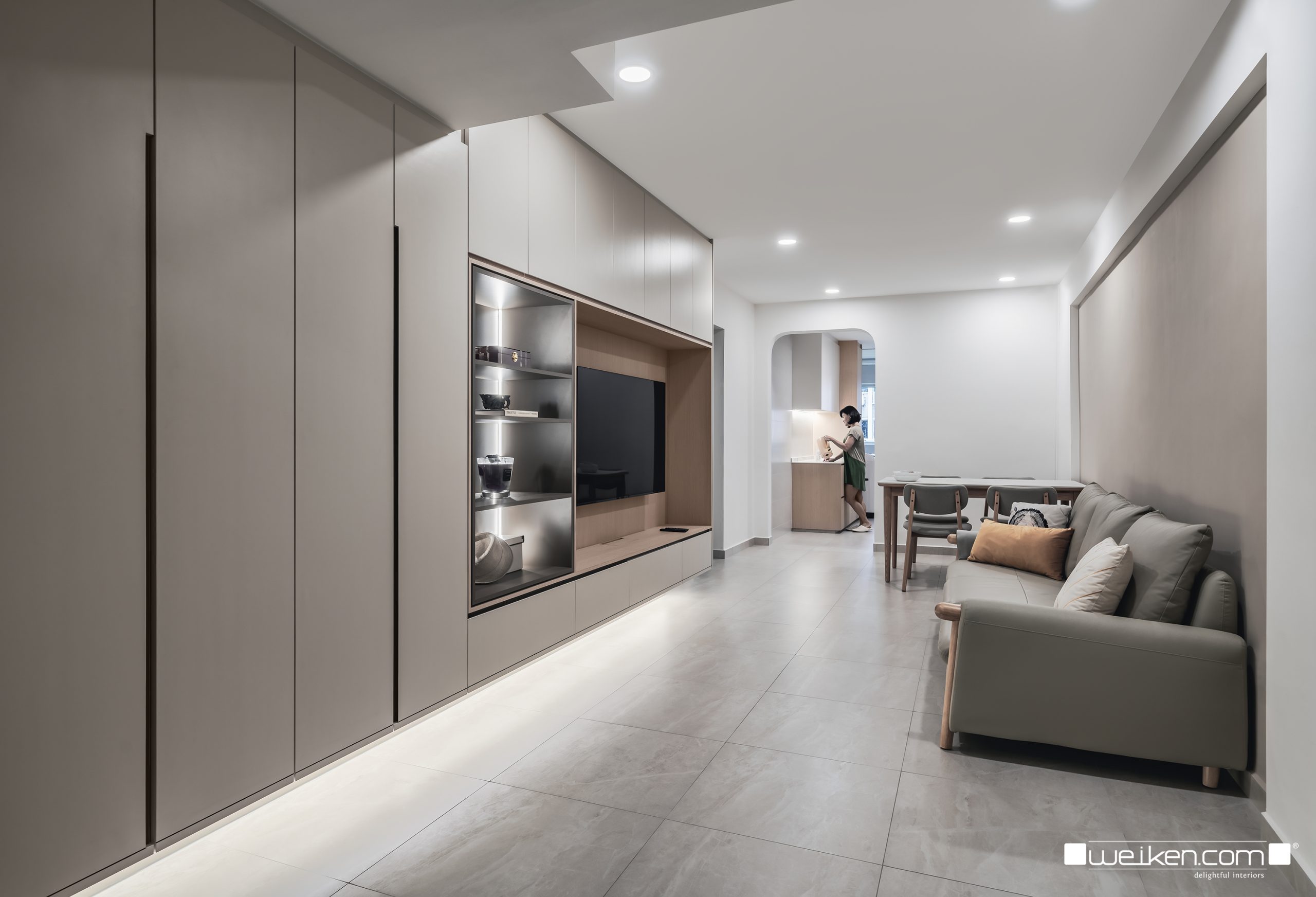
Why 3-Room BTO Flats Continue to Be One of Singapore’s Most Popular Home Choices
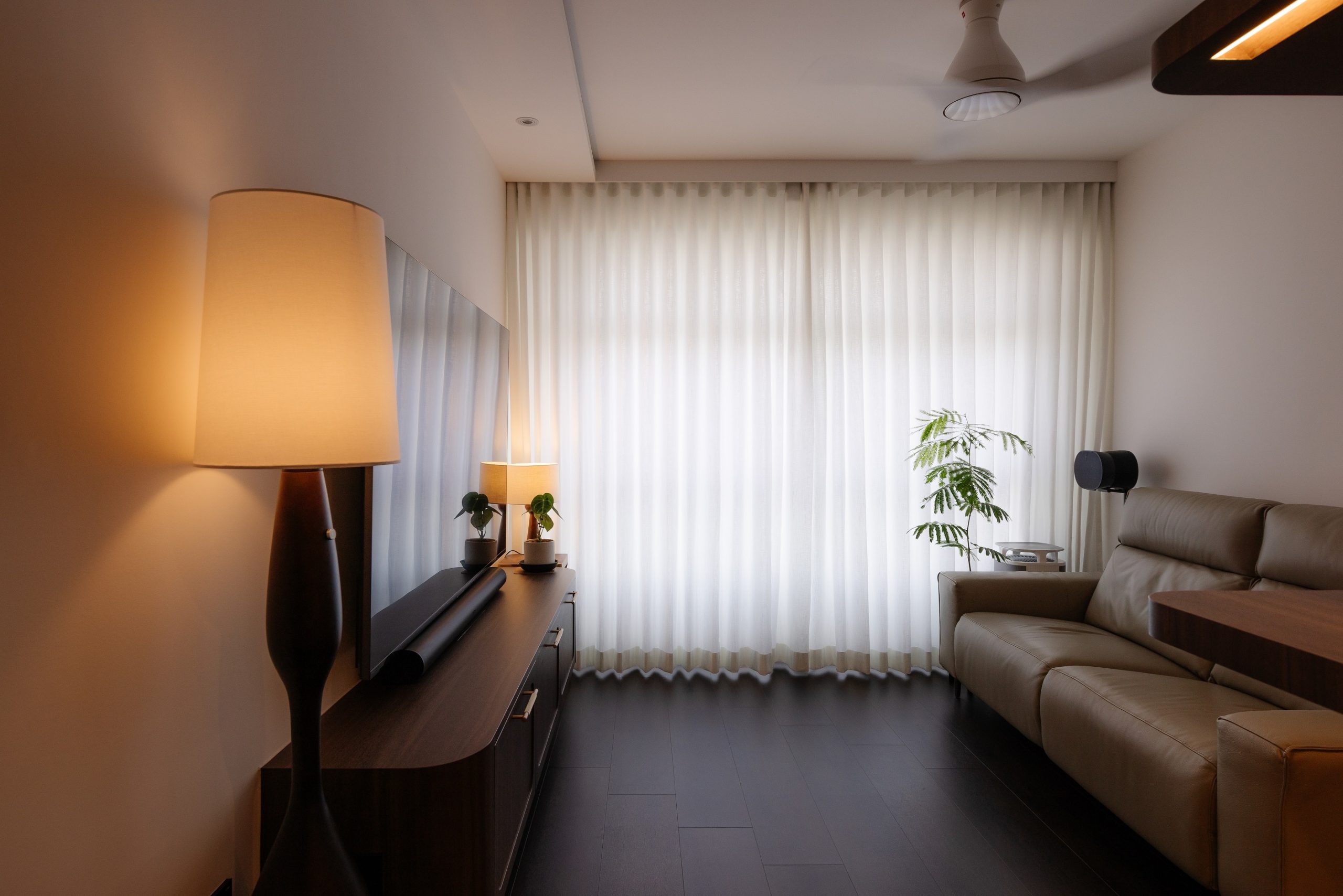
Buying a first home is one of the biggest milestones for many Singaporeans, and for thousands of young couples, a 3-room BTO flat is where that journey begins. While larger HDB units certainly offer more flexibility, 3-room BTO flats have become increasingly attractive because they strike a balance between affordability, practicality and long-term value. They’re easier to maintain, more energy-efficient and, perhaps most importantly, they encourage homeowners to think carefully about how every square metre is used.
Over the past decade, the way people renovate these homes has changed dramatically. Ten years ago, many homeowners focused on making a small flat look luxurious. Large TV feature walls, glossy marble-look tiles and oversized built-in cabinets were common sights.
Today’s homeowners think differently.
Instead of asking “How can I make my home look expensive?”, they’re asking “How can I make this home work better for everyday life?” That subtle shift has completely changed the way interior designers approach BTO projects in Singapore. Modern 3-room BTO interiors are no longer defined by decorative finishes alone. They’re carefully planned around storage, natural light, flexibility and long-term comfort. Every cabinet, every partition and every piece of furniture is expected to serve a purpose. This people-first approach is shaping the latest generation of Singapore homes, and it’s unlikely to change anytime soon.
Why Designing a 3-Room BTO Is Different From Any Other HDB Flat
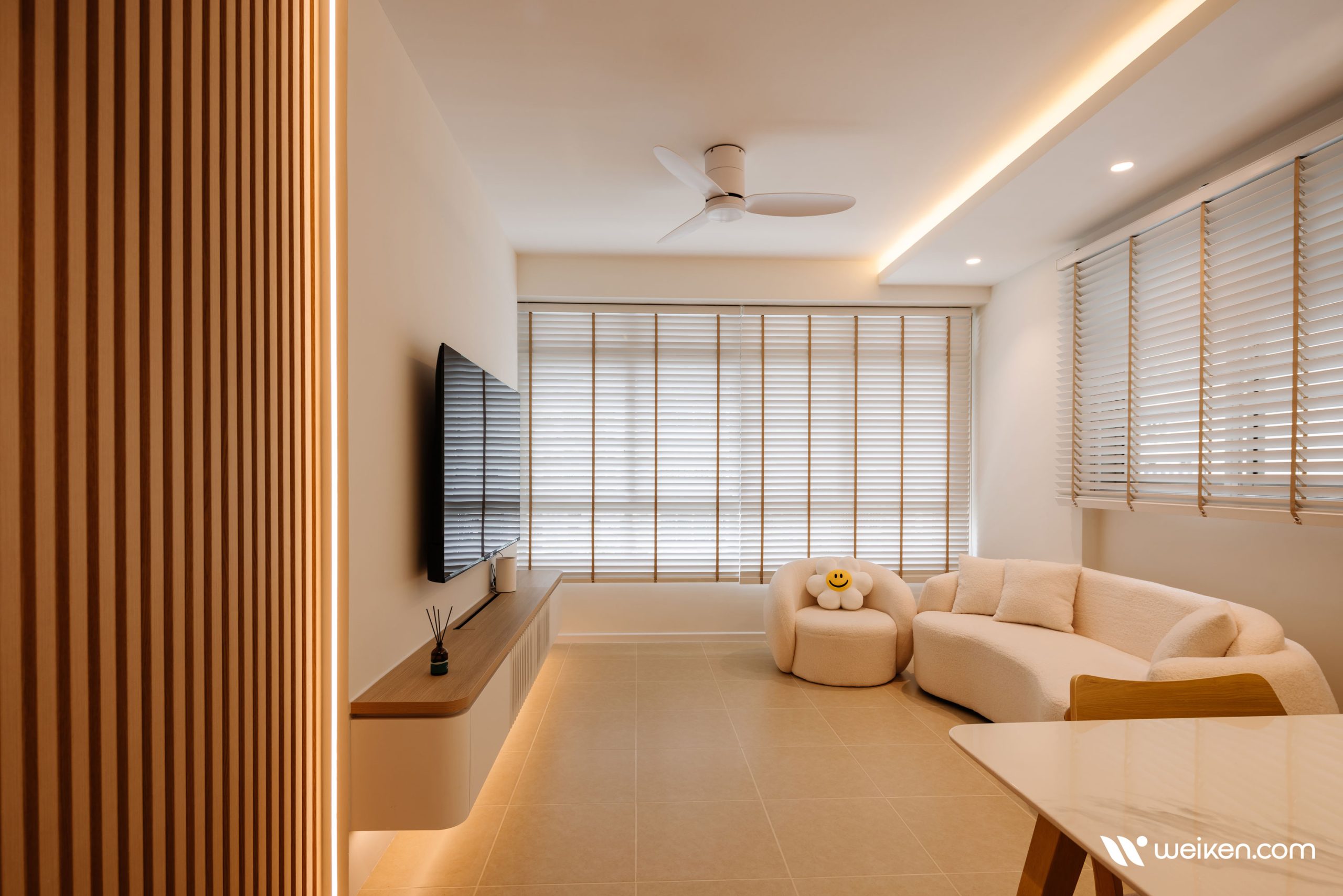
A 3-room BTO isn’t simply a smaller version of a 4-room or 5-room flat. It presents an entirely different design challenge. With a more compact floor plan, there’s very little room for design mistakes. An oversized sofa can make the living room feel cramped. Too much built-in carpentry may block natural light. Even choosing the wrong dining table can affect how comfortably people move around the home.
That’s why experienced interior designers often spend more time planning layouts than selecting finishes. In many projects, improving functionality has a bigger impact than upgrading materials.
Take storage as an example. Many first-time homeowners assume they need as many cabinets as possible. In reality, excessive carpentry can make a small apartment feel enclosed. The better solution is to create purposeful storage. Instead of filling every wall with cabinets, designers often recommend combining full-height wardrobes, concealed shoe storage, platform beds and hidden compartments that blend naturally into the architecture. The result feels cleaner, brighter and significantly more spacious.
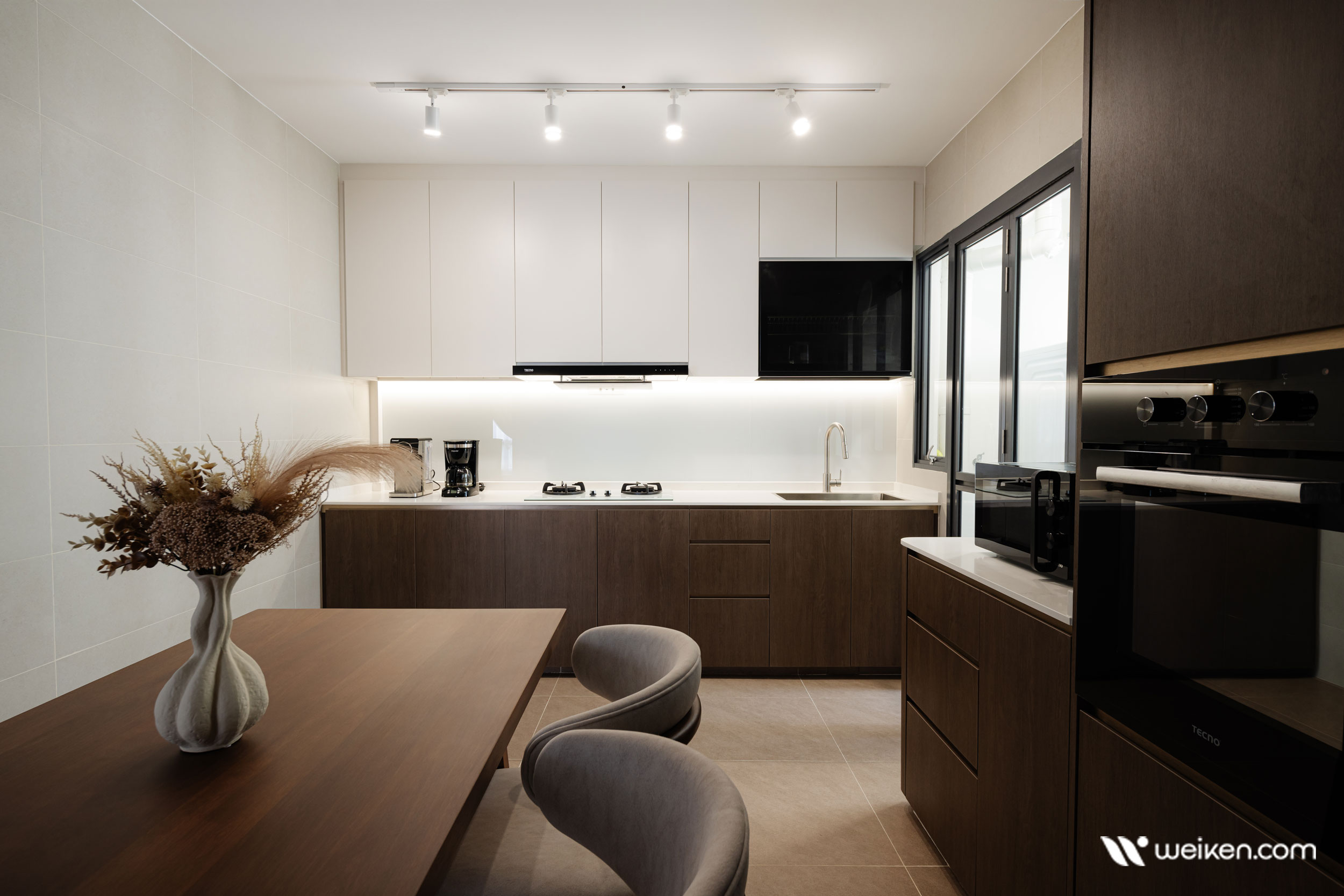
Another important consideration is future flexibility. A newly married couple may not need a nursery today, but that could change within a few years. Likewise, a spare bedroom might initially serve as a home office before eventually becoming a child’s room. Rather than designing around current needs alone, successful BTO renovations anticipate how lifestyles evolve over time. That mindset has become one of the defining characteristics of Singapore’s best interior designers.
Interior Design Trends for 3-Room BTO Homes Are Changing in 2026
Walk through any newly completed BTO estate today, and you’ll notice something interesting. Homes no longer look identical. A few years ago, scrolling through renovation portfolios often felt repetitive. Every apartment featured the same grey walls, the same marble TV feature, the same black-framed glass partition and nearly identical furniture.
That era is fading.
Homeowners are becoming more confident in choosing interiors that reflect their own lifestyles instead of simply following Pinterest or Instagram trends. The biggest change isn’t a particular colour or furniture style. It’s the intention behind the renovation. Instead of designing homes that photograph well, people are designing homes that feel good to live in every day.
We’ve put together a comprehensive guide on the latest interior design trends in Singapore. Read the full article here.
That has led to several noticeable trends across Singapore’s interior design industry.
- Warm colour palettes are replacing cool monochrome interiors.
- Natural materials are preferred over glossy finishes.
- Storage is becoming less visible.
- Lighting is softer and layered rather than relying on a single bright ceiling light.
- Kitchen layouts are increasingly designed around how families actually cook instead of purely aesthetic considerations.
- Even smart home technology has become more discreet. Homeowners want automation that works quietly in the background rather than gadgets that dominate the room.
Taken together, these trends reflect a broader shift in priorities. Singapore homes are becoming more personal, more functional and considerably more timeless.
Scandinavian Interior Design: Still Singapore’s Favourite, but With a Softer Touch
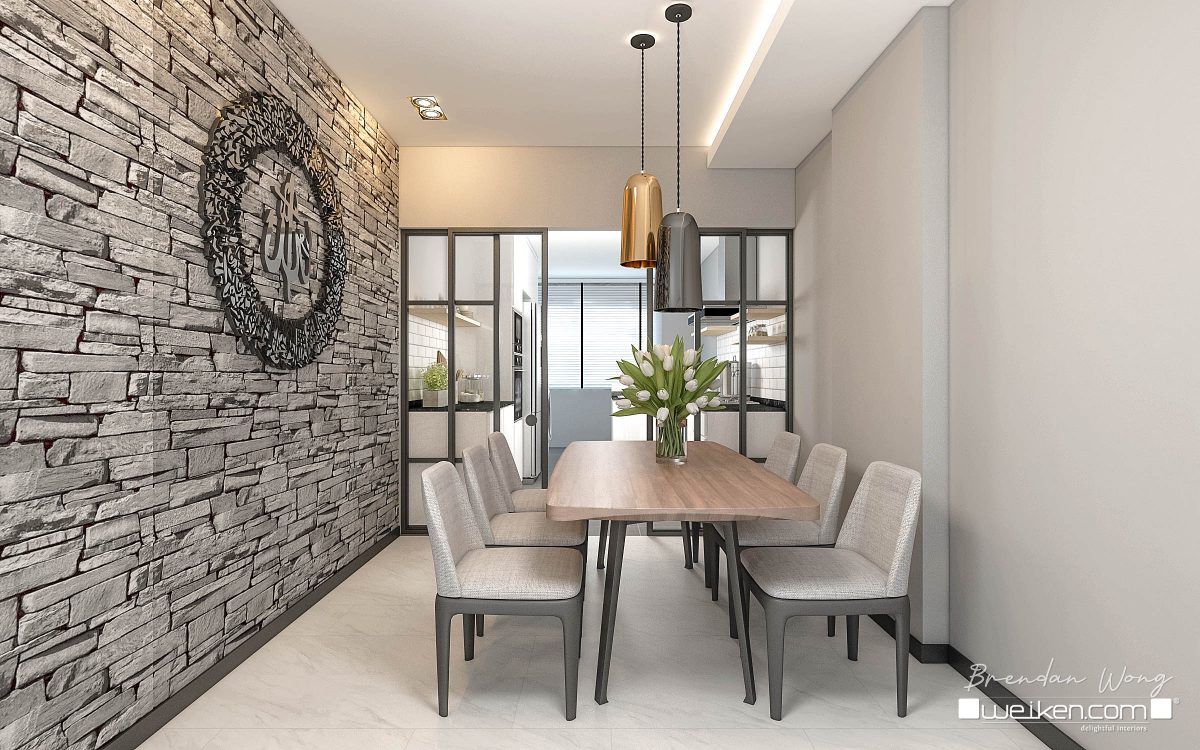
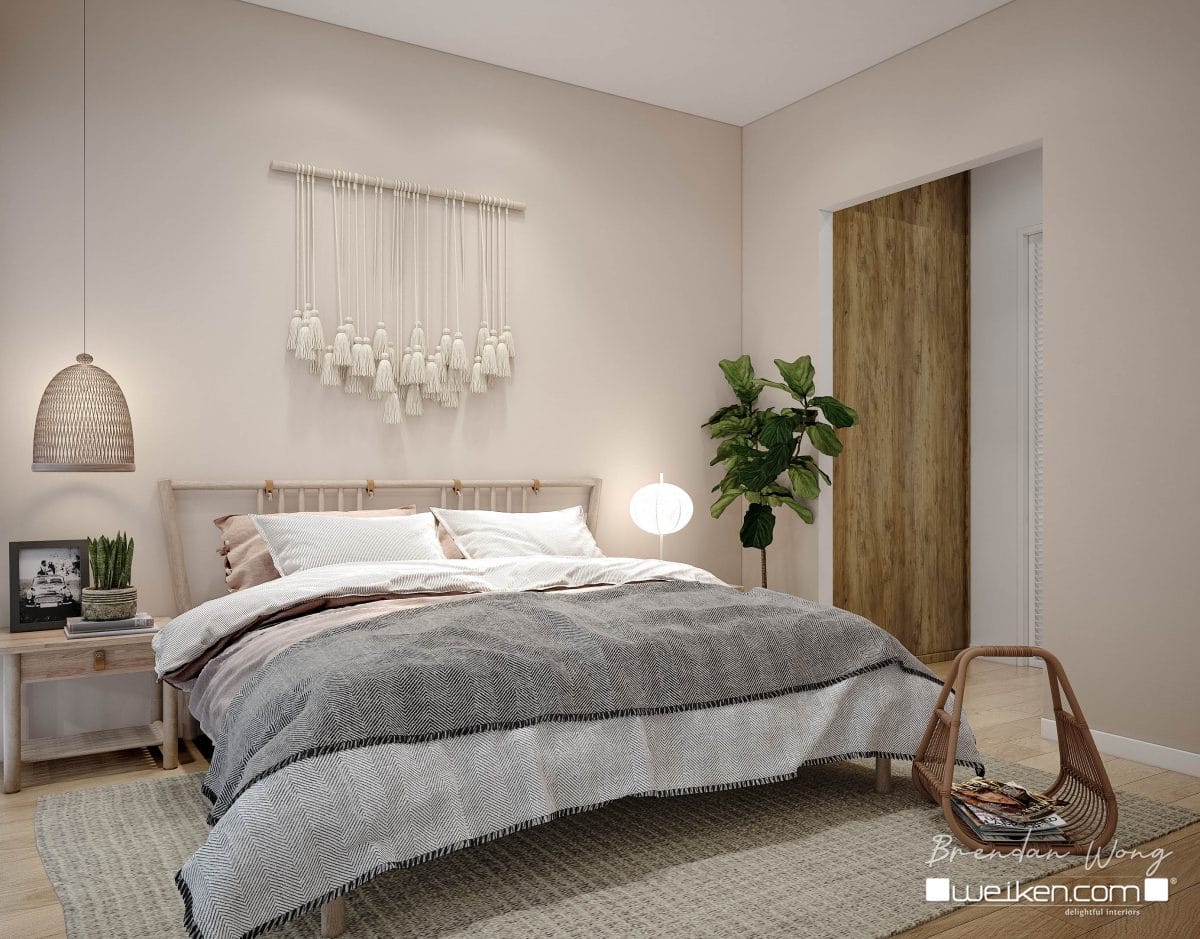
If there is one design style that has remained consistently popular in Singapore, it’s Scandinavian. Yet today’s Scandinavian homes look quite different from those completed five or six years ago. The early versions of Scandinavian design often leaned heavily on stark white walls, pale timber and simple black accents. The 2026 interpretation feels noticeably warmer.
Instead of bright white interiors, designers are introducing creamy neutrals, warm beige, soft taupe and natural oak finishes. Furniture has become more rounded, fabrics are richer in texture and decorative elements are used more sparingly. The overall aesthetic feels calm rather than minimal. This softer interpretation works particularly well in 3-room BTO flats because lighter colours maximise natural daylight while timber finishes introduce warmth without overwhelming the limited floor area.
Storage also plays an important role. Open shelving is gradually becoming less common, replaced by clean-lined cabinetry that keeps visual clutter out of sight. Rather than displaying dozens of decorative accessories, homeowners are investing in a few carefully selected pieces that add personality without making the space feel crowded.
Another reason Scandinavian interiors continue to perform well is their flexibility. As families grow or lifestyles change, the neutral foundation allows furniture, artwork and accessories to evolve without requiring another major renovation. It’s timeless for a reason.
=====
If you’re a fan of cozy spaces that are all about effortless elegance, Scandinavian interior design might just be your aesthetic preference. Undoubtedly, this theme is among the most common and requested design styles by Singapore homeowners.
=====
Minimalist Interior Design: Less Clutter, Better Living
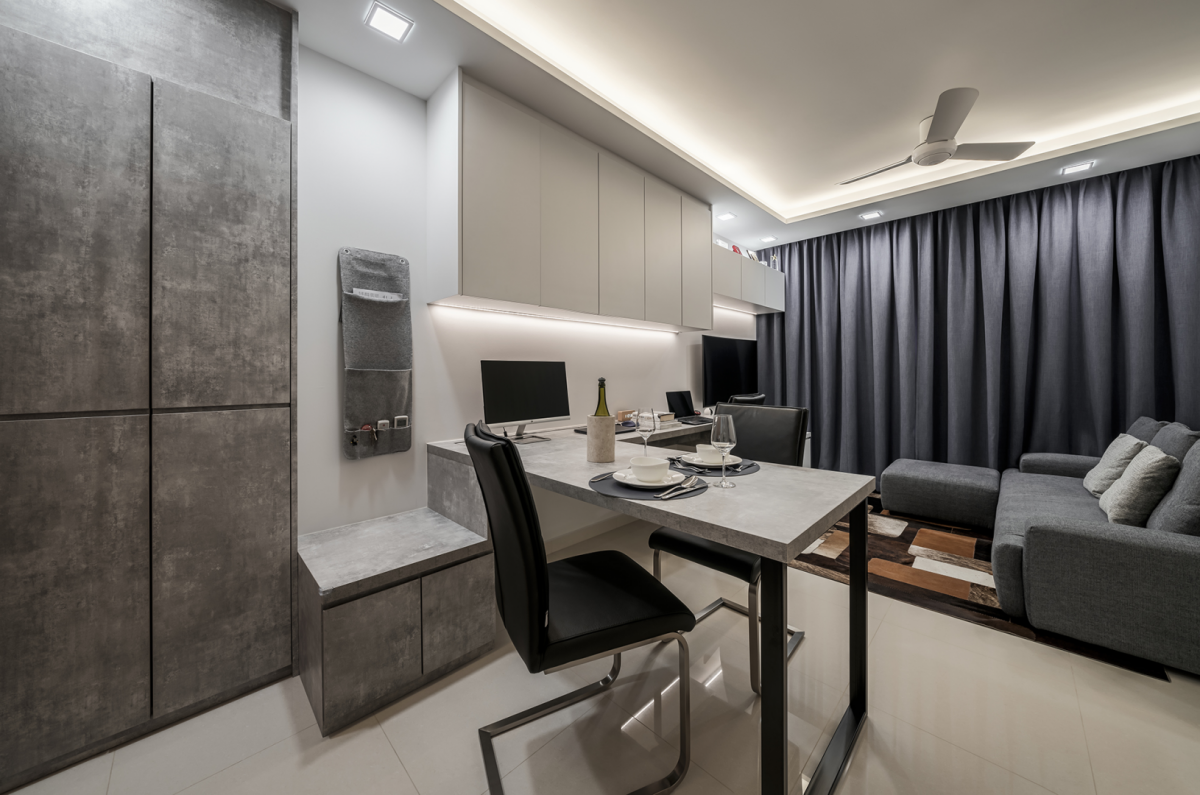
Minimalism is often misunderstood. Many people assume it means empty rooms, plain white walls and almost no furniture. In reality, good minimalist design is about removing unnecessary distractions so that every element in the home serves a clear purpose. That philosophy makes perfect sense in a 3-room BTO. Space is limited, which means every piece of furniture, every storage cabinet and every decorative accessory should contribute to daily life instead of occupying valuable floor space.
Modern minimalist homes in Singapore tend to emphasise clean architectural lines, concealed storage and simple material palettes. Instead of creating visual interest through excessive decoration, designers rely on natural textures, layered lighting and carefully selected furniture.
One noticeable trend is the disappearance of bulky TV feature walls. Rather than spending thousands of dollars on decorative carpentry, many homeowners now prefer floating TV consoles, hidden cable management and painted feature walls. The living room feels larger, maintenance becomes easier and future renovations are significantly more flexible.
Minimalism also encourages homeowners to think carefully before adding new furniture. Instead of asking, “Does this piece look good?”, the better question is, “Will this improve the way I use my home every day?” That shift in mindset often results in interiors that remain functional long after design trends have changed.
Modern Farmhouse: Rustic Comfort Meets Contemporary Living
Although farmhouse interiors originated in rural homes, the style has found an unexpected audience among Singapore homeowners looking for warmth and character. Modern Farmhouse isn’t about recreating a countryside cottage inside an HDB flat. Instead, it borrows selected elements that create a welcoming atmosphere while remaining practical for urban living.
Shaker-style cabinetry has become one of its defining features, especially in kitchens. Combined with quartz or sintered stone countertops, brushed brass handles and subway tiles, these simple details create a timeless look that feels fresh rather than overly traditional.
Natural timber, woven textures and soft neutral colours further reinforce the relaxed aesthetic. Unlike some heavily themed interiors, Modern Farmhouse avoids excessive decorative accessories. The emphasis is on craftsmanship, quality materials and comfortable living rather than creating a dramatic visual statement. For families seeking a home that feels warm, timeless and easy to maintain, Modern Farmhouse continues to be an appealing choice.
Modern Victorian: Classic Elegance Reimagined for Contemporary Living
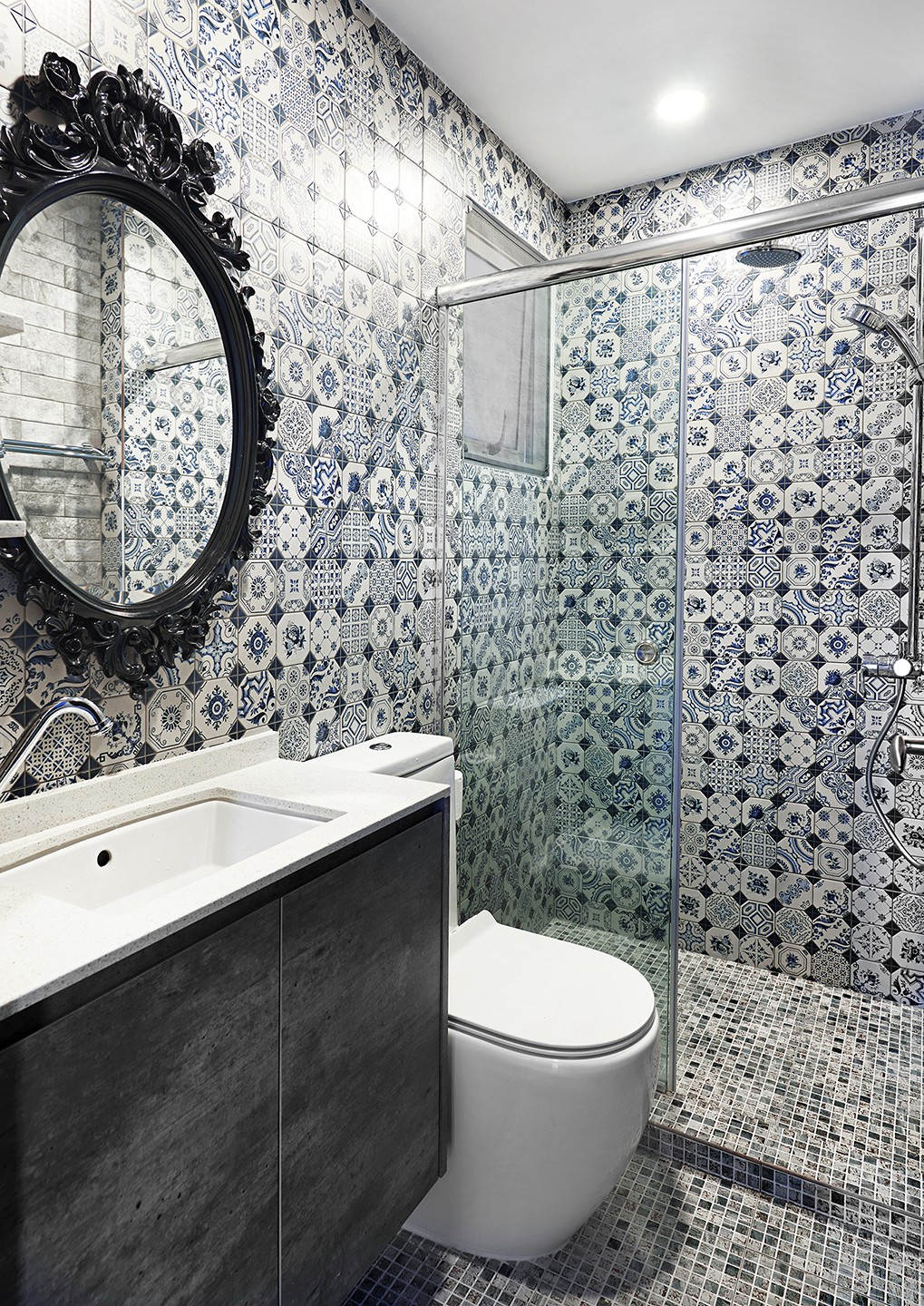
Victorian interiors have always been associated with grand homes, ornate mouldings and luxurious decorative details. In Singapore, however, Modern Victorian has evolved into something much more practical. Today’s designers retain the timeless elegance of traditional Victorian architecture while simplifying the overall aesthetic to suit modern apartments and HDB flats.
Wall mouldings remain one of the most recognisable features of this style, but they’re now cleaner and more restrained. Instead of heavily decorated panels, homeowners prefer slim-profile mouldings painted in the same colour as the walls, creating subtle depth without overwhelming the space.
Statement lighting also plays an important role. Elegant chandeliers, wall sconces and decorative pendant lights add character while serving as focal points within otherwise minimalist interiors. Furniture tends to combine contemporary comfort with classical silhouettes. Curved sofas, upholstered dining chairs and marble coffee tables are commonly paired with brass accents and rich timber finishes. The result feels sophisticated without becoming overly formal.
For homeowners who appreciate timeless interiors with a touch of luxury, Modern Victorian offers a refreshing alternative to purely contemporary design styles.
=====
Modern Victorian interior design, first popularised in the 1800s, continues to inspire modern homes in Singapore with its timeless charm. While rooted in ornate detailing and eclectic influences, today’s designers reinterpret the style by blending classical elegance with contemporary simplicity. This Modern Victorian approach is especially appealing in HDB flats and condominiums, where careful use of statement lighting, mouldings, and vintage-inspired furniture can add character without overwhelming compact spaces. By balancing heritage accents with clean lines and neutral tones, Singaporean homeowners can achieve a refined interior that feels both nostalgic and practical for urban living.
=====
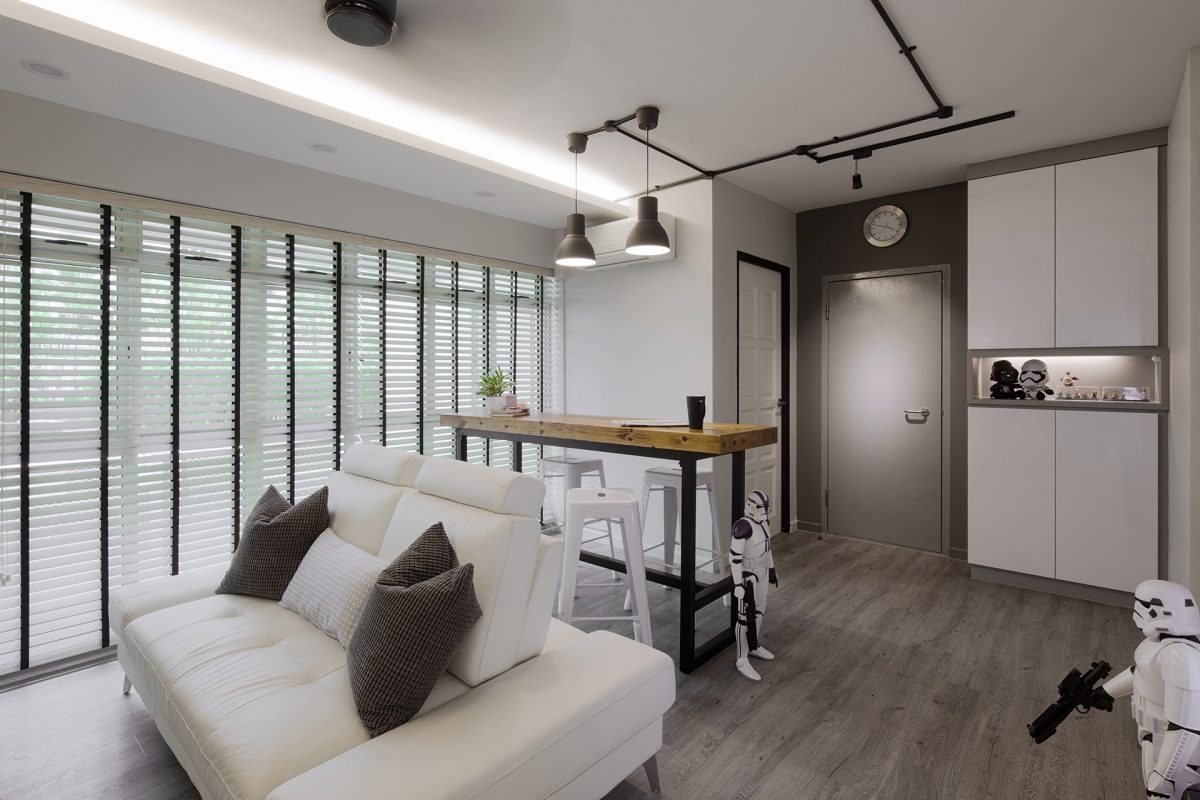
Industrial Interior Design: Raw, Functional and Full of Character
Industrial design has remained surprisingly resilient despite changing renovation trends. Originally inspired by converted warehouses and old factories, the style celebrates exposed materials rather than hiding them. Concrete textures, black metal frames, brick-inspired finishes and natural timber continue to define industrial interiors. That said, industrial homes in Singapore have become noticeably softer over the past few years.
Instead of creating dark, masculine spaces dominated by charcoal walls and exposed ceilings, designers are introducing warmer timber finishes, lighter flooring and softer lighting to make the style more suitable for family living. This updated interpretation works particularly well for homeowners who appreciate clean, functional spaces with strong architectural character.
Another advantage of industrial interiors is their durability. Many of the materials commonly associated with this style—such as concrete-look tiles, metal shelving and solid timber—are highly resistant to everyday wear, making them practical choices for busy households. Industrial design also pairs surprisingly well with smart home technology, creating interiors that feel modern without becoming overly decorative.
Tropical Modern: Bringing a Resort-Like Feel Into Everyday Living
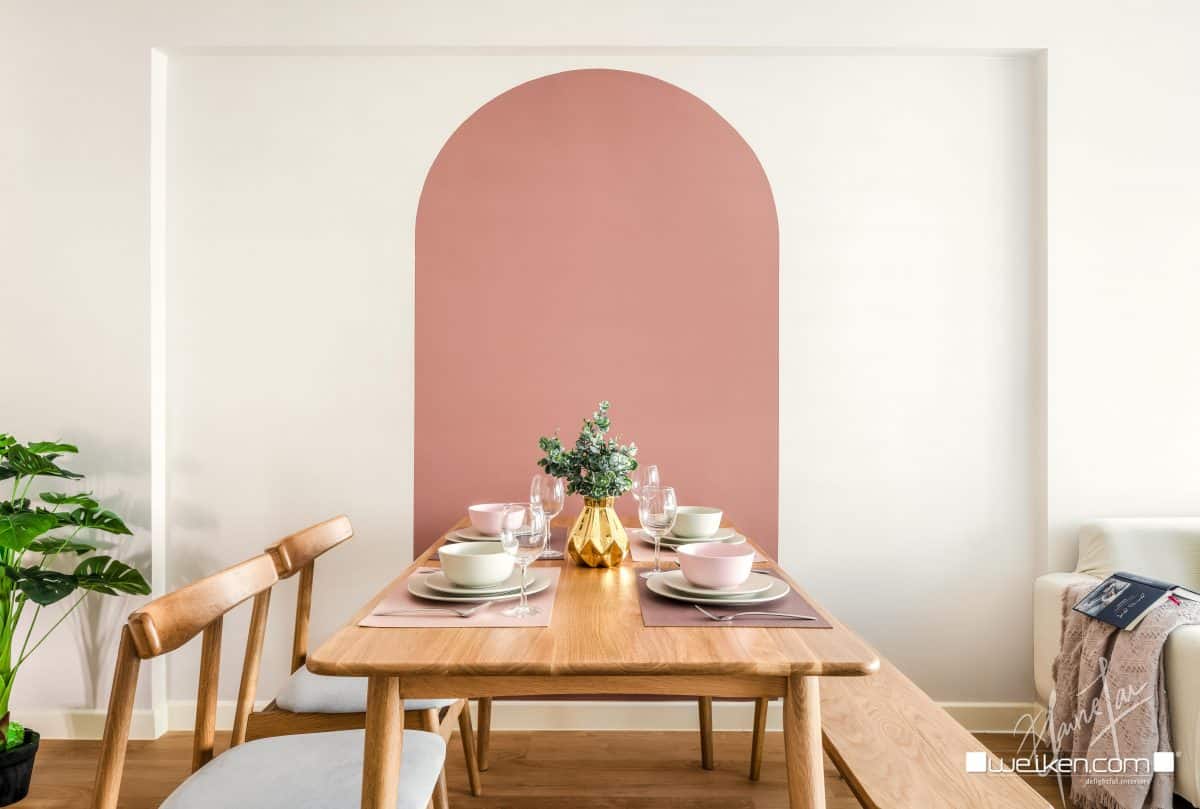
Singapore’s tropical climate naturally makes Tropical Modern one of the most suitable interior styles for local homes. Instead of copying a Bali villa or a beachfront resort, today’s designers take inspiration from tropical living while adapting it for high-rise apartments and compact HDB flats.
The result is a home that feels bright, airy and connected to nature without becoming overly themed. Natural materials are at the heart of this design style. Light timber, rattan, linen, stone textures and woven accessories create warmth, while indoor plants introduce colour and soften the clean architectural lines commonly found in newer BTO developments.
Colour palettes are equally restrained. Rather than using bold greens or vibrant floral patterns, designers typically work with sandy beige, warm white, olive green and muted earth tones that reflect Singapore’s natural surroundings.
Ventilation also plays an important role. Where possible, layouts are designed to maximise cross ventilation and daylight. Full-height windows, sheer curtains and open sightlines help the apartment feel larger while reducing the reliance on artificial lighting during the day.
Tropical Modern is particularly well suited to homeowners who want their apartment to feel like a peaceful retreat after a busy workday. It embraces nature without sacrificing the clean, contemporary aesthetic that many Singaporeans appreciate.
Mid-Century Modern: A Timeless Style That Continues to Inspire
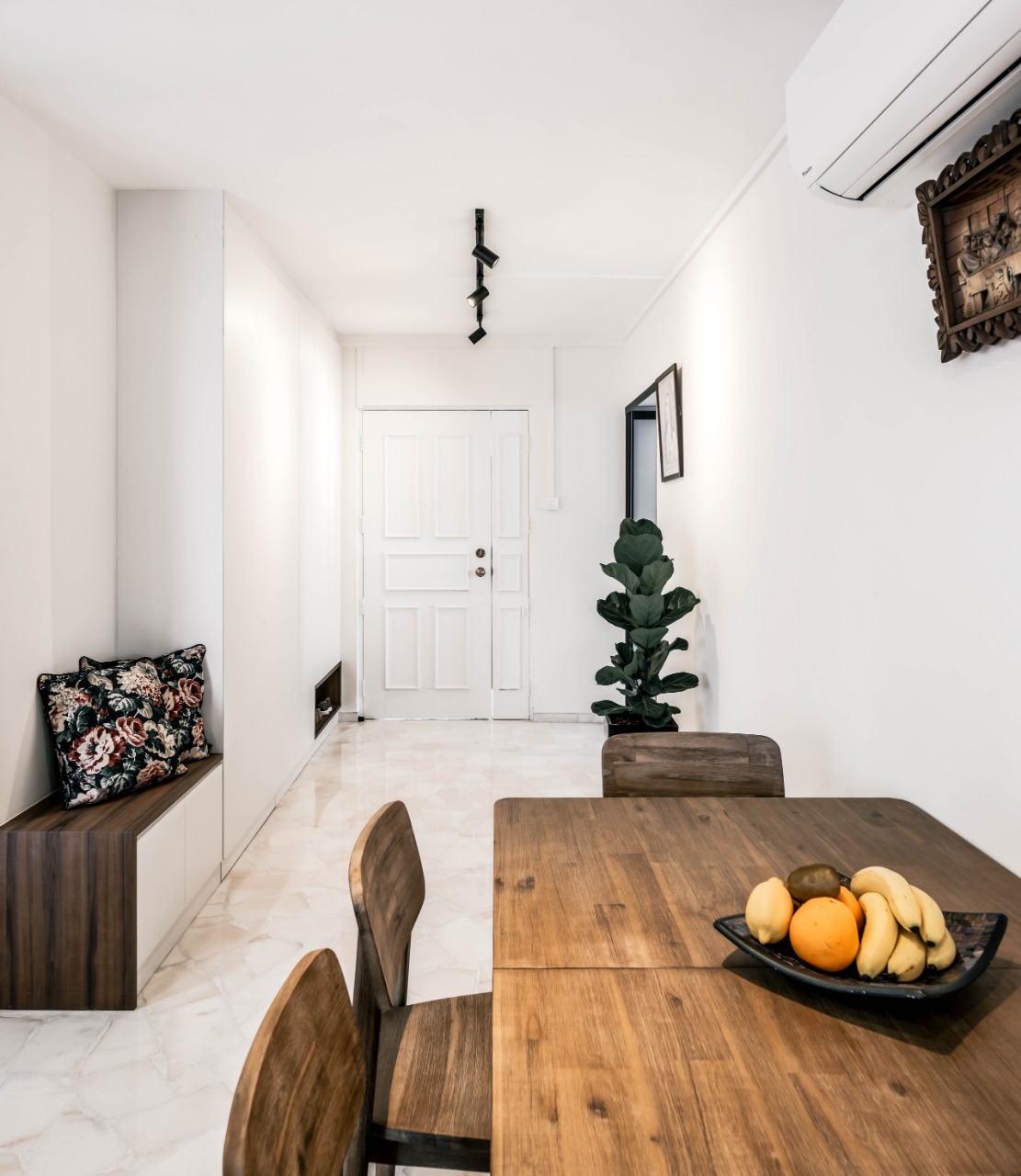
Some design styles come and go. Mid-Century Modern has remained relevant for over seventy years.
Originally popularised during the 1950s and 1960s, the style continues to influence contemporary furniture design through its clean geometry, organic curves and emphasis on functionality. For Singapore homeowners, Mid-Century Modern offers a refreshing balance between simplicity and personality.
Furniture typically features slim profiles, tapered legs and beautifully crafted timber details. Rather than relying on oversized built-in carpentry, the style encourages flexible layouts with movable furniture that can easily adapt as family needs change. Warm walnut tones remain one of the defining characteristics of Mid-Century interiors, often complemented by muted greens, terracotta, mustard or deep navy accents.
Lighting is equally important. Floor lamps with sculptural forms, globe pendants and vintage-inspired fixtures introduce character without making compact apartments feel crowded. Because the furniture is generally elevated above the floor on slender legs, the overall space appears lighter and more open—an important advantage for smaller BTO flats.
Practical Design Tips That Make a Big Difference in a 3-Room BTO
Designing a beautiful home is one thing. Designing a home that continues to work well five or ten years later is something entirely different. Experienced interior designers know that the most successful 3-room BTO renovations aren’t necessarily the most expensive ones. They’re the projects where every design decision supports the homeowner’s daily routine.
Here are several practical ideas that consistently make compact homes more comfortable to live in.
1. Think About Storage Before You Think About Decoration
One of the biggest renovation mistakes is prioritising feature walls before solving storage needs. Television walls, decorative shelving and display cabinets may look impressive during the handover, but they’re far less valuable than well-planned storage. Instead, invest in full-height wardrobes, concealed shoe cabinets, platform bed storage and built-in benches with hidden compartments. These solutions keep everyday items organised while maintaining a clean visual appearance. Many designers also recommend integrating the bomb shelter door into the surrounding carpentry so it becomes almost invisible within the living space.
2. Avoid Blocking Natural Light
Natural light is one of the easiest ways to make a compact apartment feel larger. Unfortunately, many homeowners unintentionally reduce daylight by installing oversized cabinets or solid partitions between rooms. Instead of building full-height walls, consider fluted glass panels, sliding glass doors or open shelving that allows light to travel throughout the apartment. Even replacing heavy curtains with sheer day curtains can dramatically change how spacious a room feels.
3. Don’t Oversize Your Furniture
Furniture that looks perfect inside a showroom may overwhelm a compact BTO flat. Before making a purchase, always measure circulation space rather than focusing only on furniture dimensions. As a general rule, walkways should remain comfortable enough for daily movement without constantly navigating around chairs, coffee tables or kitchen islands. Many interior designers now recommend rounded dining tables and curved furniture because they improve circulation while softening the overall appearance of smaller layouts.
4. Plan Your Electrical Layout Early
Power sockets are surprisingly difficult to relocate once renovation work has been completed. Think carefully about where you’ll work, charge your devices, place your robot vacuum or install smart home equipment. It’s also worth planning additional outlets inside TV consoles, study desks and kitchen cabinets to reduce visible cables later on. Small decisions made during the planning stage often have the biggest impact on everyday convenience.
5. Spend More on Things You Touch Every Day
Not every part of a renovation deserves the same budget. Premium drawer runners, quality hinges, durable countertops and reliable kitchen hardware are used every single day. Decorative feature walls aren’t. That’s why many homeowners are choosing to invest in better cabinetry systems, soft-closing mechanisms and high-quality fittings instead of elaborate decorative finishes. The home may look simpler, but it will perform better for years to come.
Final Thoughts
A 3-room BTO may be one of the smaller HDB layouts, but it offers enormous potential when thoughtfully designed. The most successful homes aren’t defined by expensive materials or elaborate decorative features. They’re shaped by intelligent planning, practical storage solutions and timeless design decisions that continue to work long after the renovation is complete. As interior design trends in Singapore continue to evolve, homeowners are moving away from designing purely for aesthetics. Instead, they’re prioritising comfort, flexibility and functionality, qualities that make a real difference in everyday life.
Whether you’re drawn to the warmth of Scandinavian interiors, the simplicity of Japandi, the elegance of Modern Victorian or the relaxed atmosphere of Tropical Modern, the goal remains the same: creating a home that reflects your lifestyle rather than simply following the latest trend.
Remember, trends will come and go. A well-designed home, however, should continue to feel comfortable, practical and welcoming for many years to come. If you’re planning to renovate your 3-room BTO, start with the way you live, not the way a space looks online. That’s the foundation of great interior design, and it’s the principle that continues to shape the best Singapore homes today.