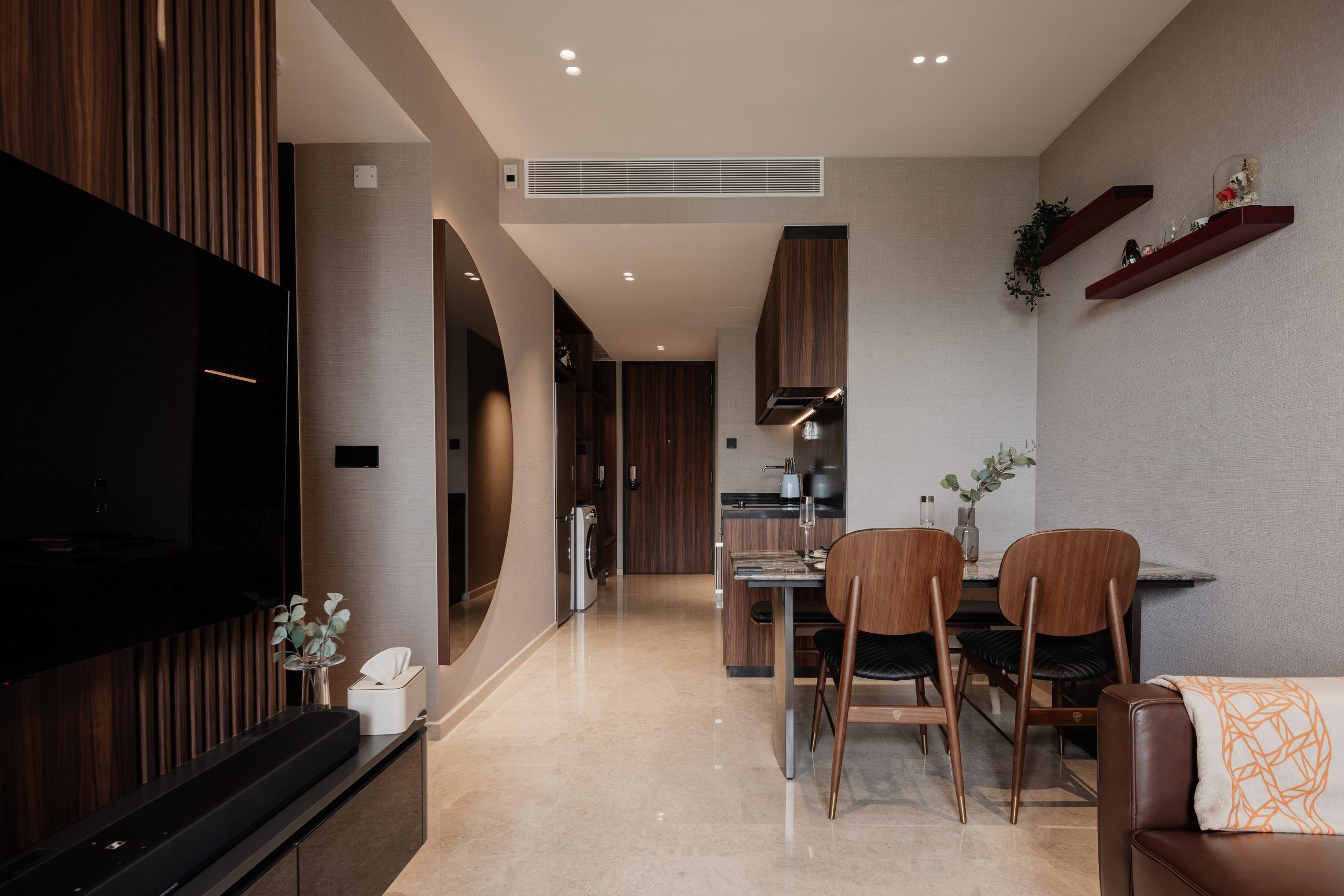
Interior Trends Are Evolving: A New Chapter in Singapore Home Design
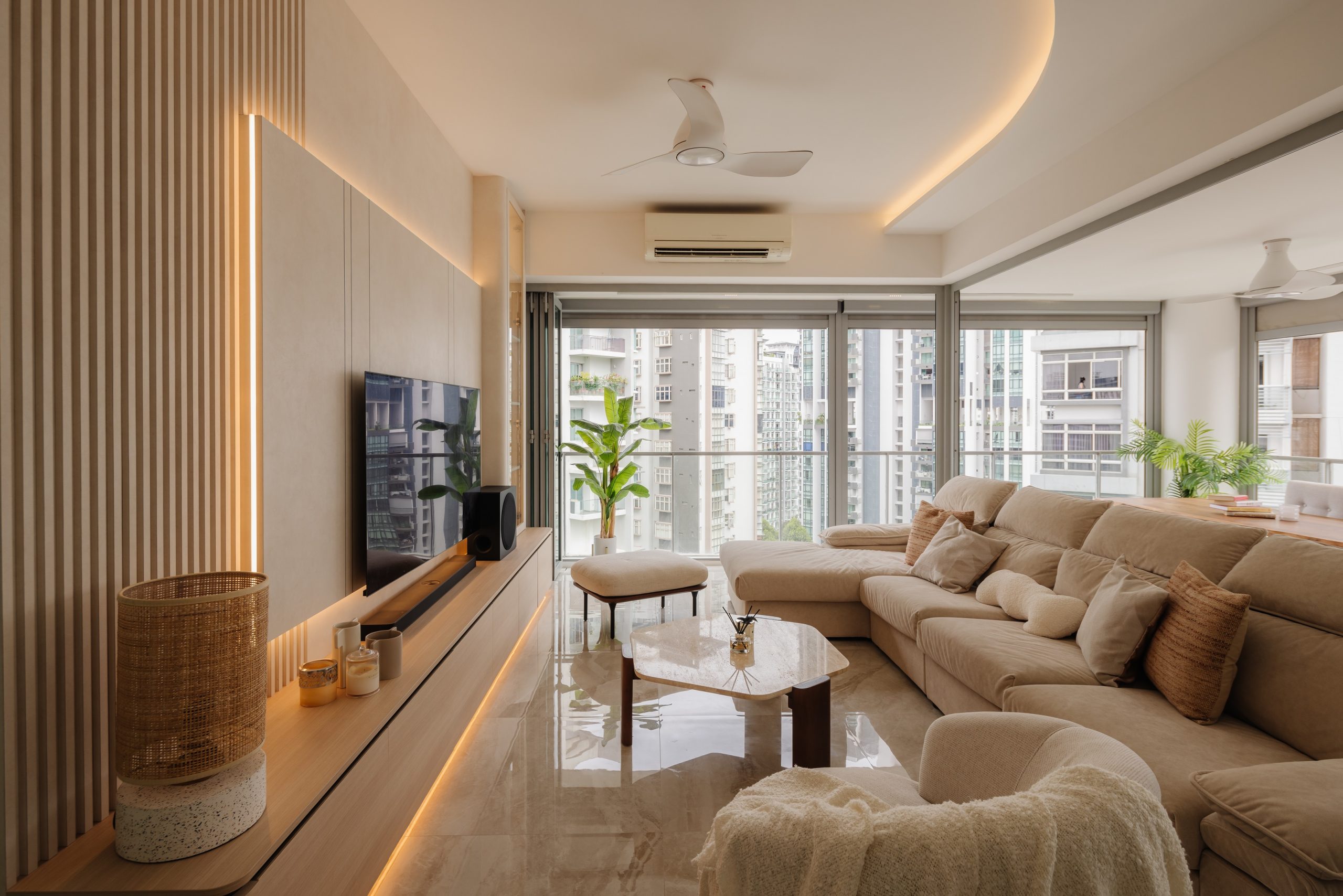
Walk into a newly renovated HDB in Punggol, a resale flat in Bishan or a condominium along the city fringe, and you’ll notice something interesting.
Singapore homes don’t look as “Instagram-perfect” as they did a few years ago.
- The oversized marble feature walls are becoming less common. Open shelves filled with decorative objects are slowly disappearing. Even the all-grey interiors that once dominated renovation portfolios are quietly fading away.
- Instead, homes feel warmer, softer, more lived in.
This isn’t because Singaporeans care less about design. If anything, homeowners today are more design-conscious than ever. The difference is that they’re making decisions based on how they actually live, rather than what’s trending on social media. That’s arguably the biggest interior trend in Singapore in 2026: “homes are being designed for everyday life, not just for the handover photos.”
Warm minimalism is replacing the “showroom” aesthetic
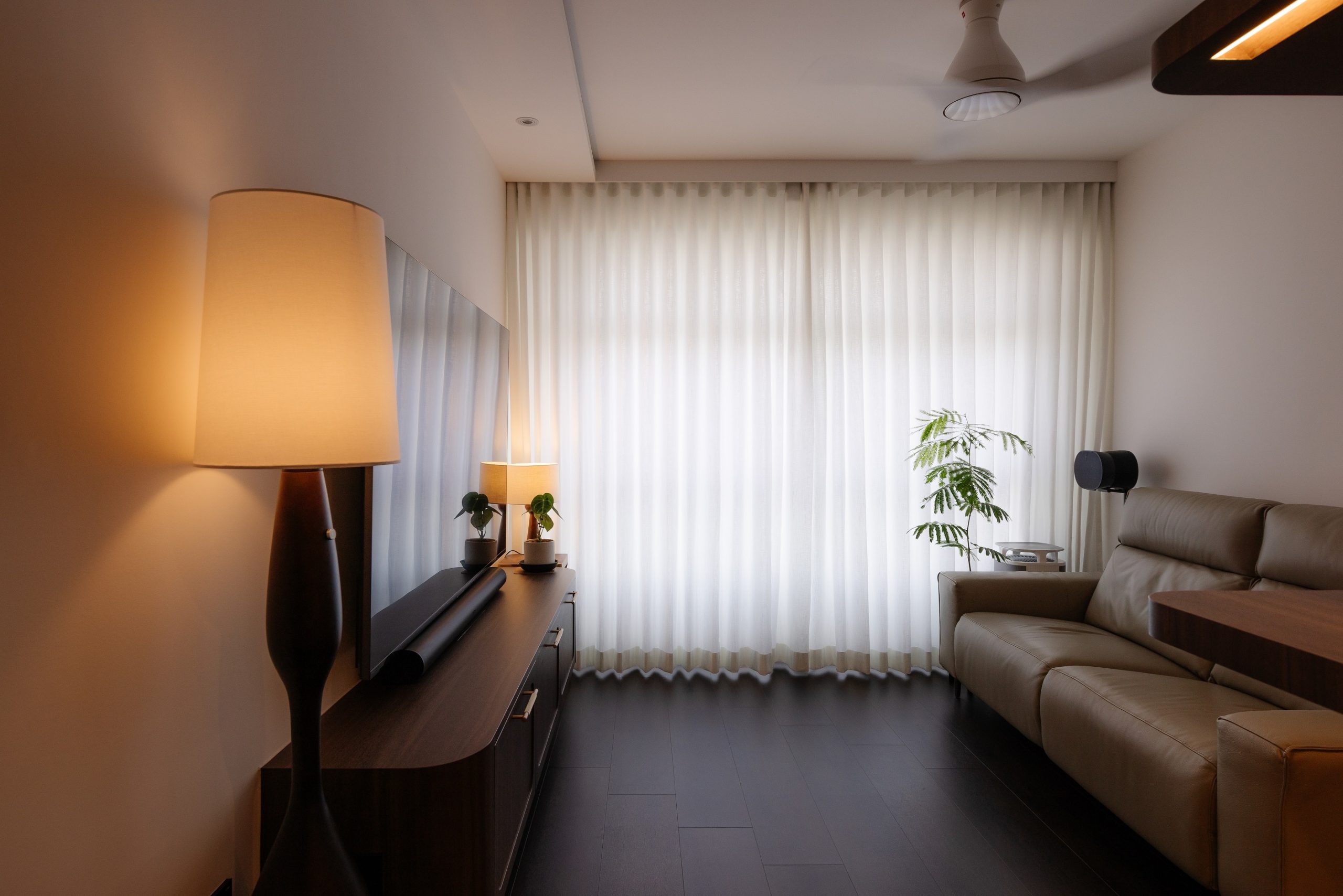
Minimalism isn’t going anywhere. But the version that became popular around 2018 to 2022: white walls, grey tiles, black-framed glass partitions and glossy laminates, is beginning to feel dated. Ask most interior designers what clients are requesting today, and you’ll hear similar answers.
“Less cold.”
“More natural.”
“I don’t want my home to look like everyone else’s.”
As a result, warm minimalism has become the new default for many renovation projects. Instead of cool greys, designers are layering creamy whites, mushroom beige, sand tones and warm oak finishes. Walnut is making a noticeable comeback, particularly in resale flats where homeowners want a space that feels established rather than brand new. Texture has also become more important than colour. Limewash-inspired paint, textured laminates, fluted panels and natural stone surfaces create visual interest without making a room feel busy.
The overall effect is subtle. Nothing screams for attention. Yet the space feels far more inviting than the minimalist interiors that were popular five years ago.
Storage is becoming invisible
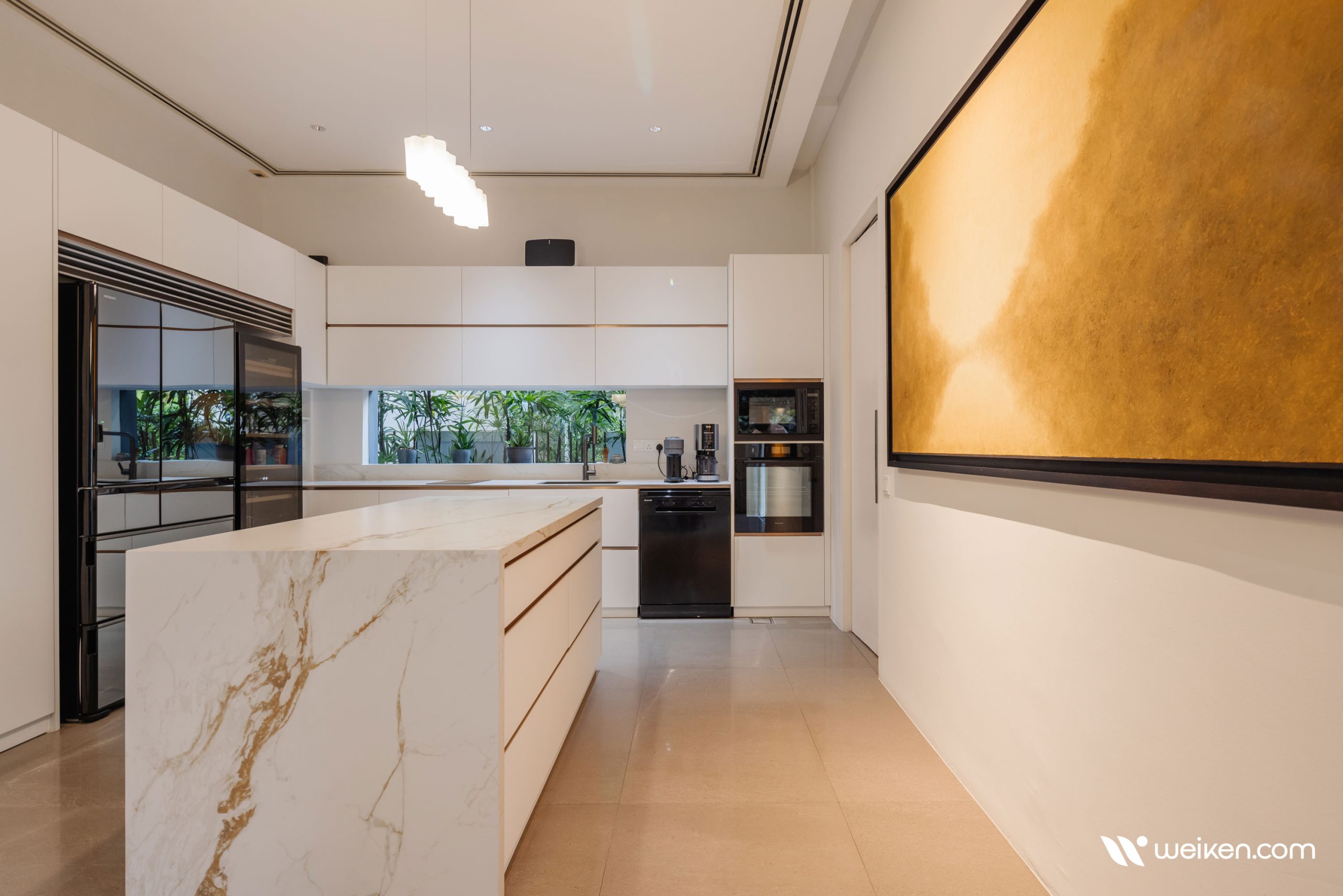
One request keeps appearing in client meetings across Singapore.
“Can you hide everything?”
That doesn’t just mean more storage. It means storage that disappears into the architecture. Full-height carpentry is now almost expected in many HDB and condominium renovations. Cabinets run all the way to the ceiling, shoe storage blends into feature walls, and even bomb shelter doors are concealed behind custom-built panels.
Rather than displaying possessions, homeowners increasingly want clean sightlines. This shift reflects a practical reality. Singapore homes haven’t become significantly larger, but lifestyles have become more complicated. Families own more appliances, more sports equipment, more children’s items and more work-related devices than they did a decade ago.
Instead of buying a larger property, many homeowners are investing in smarter space planning. A well-designed storage system often adds more value to daily life than an expensive statement wall ever could.
The kitchen is becoming the centre of the home again
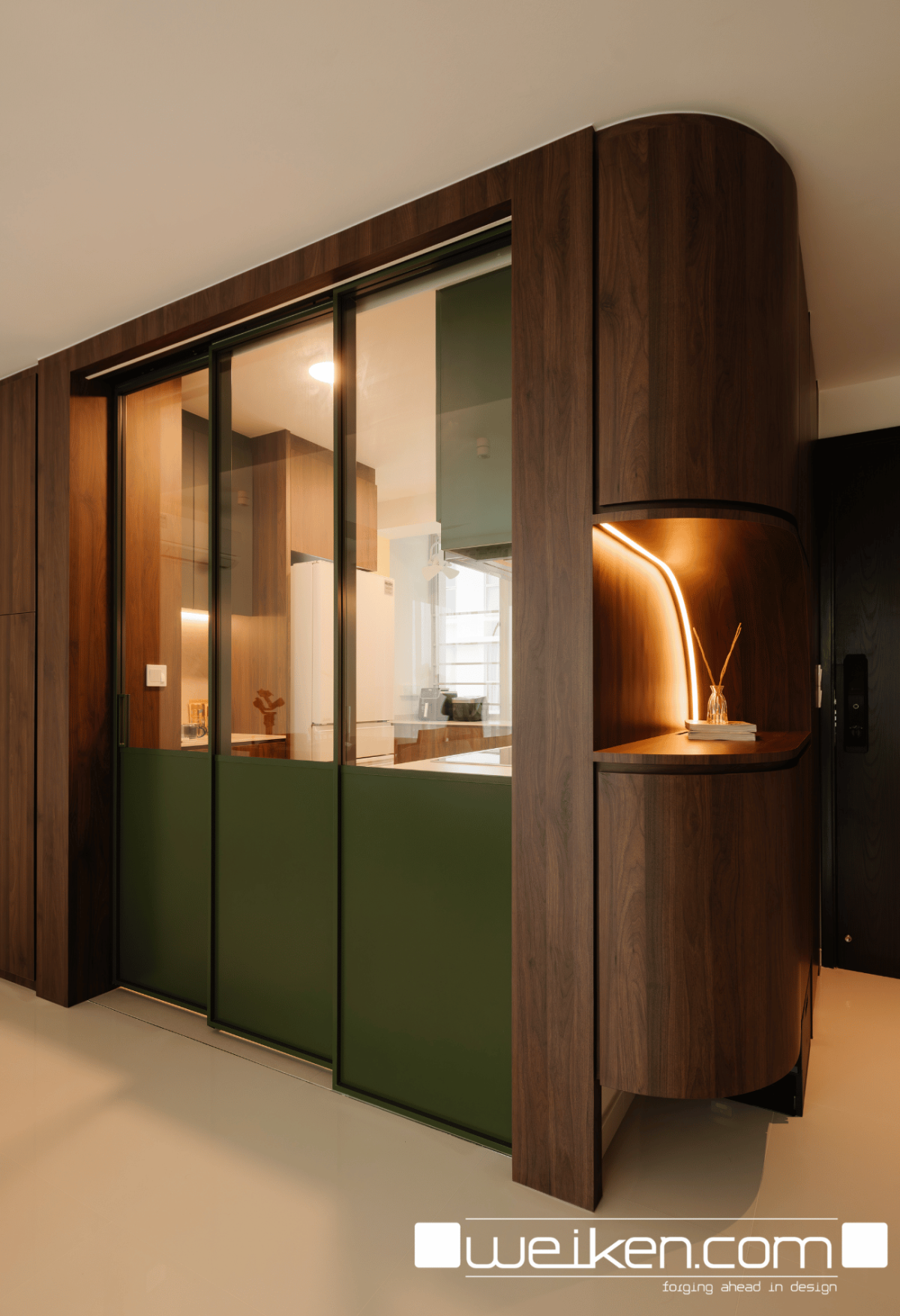
For years, open-concept kitchens dominated renovation projects. They’re still popular, but designers are noticing an interesting evolution. Rather than removing every wall, many homeowners are asking for kitchens that can switch between open and closed configurations. Slim-framed glass doors, concealed sliding panels and fluted glass partitions allow the kitchen to remain visually connected to the living area while containing cooking smells when needed.
The distinction between wet and dry kitchens is also becoming more deliberate. The wet kitchen handles heavy cooking: a practical consideration for many Singaporean families; while the dry kitchen functions as a social space where people prepare coffee, entertain guests or help children with homework.
It’s no longer just a place to cook. It’s becoming one of the most frequently used spaces in the home.
Curves are softening modern interiors
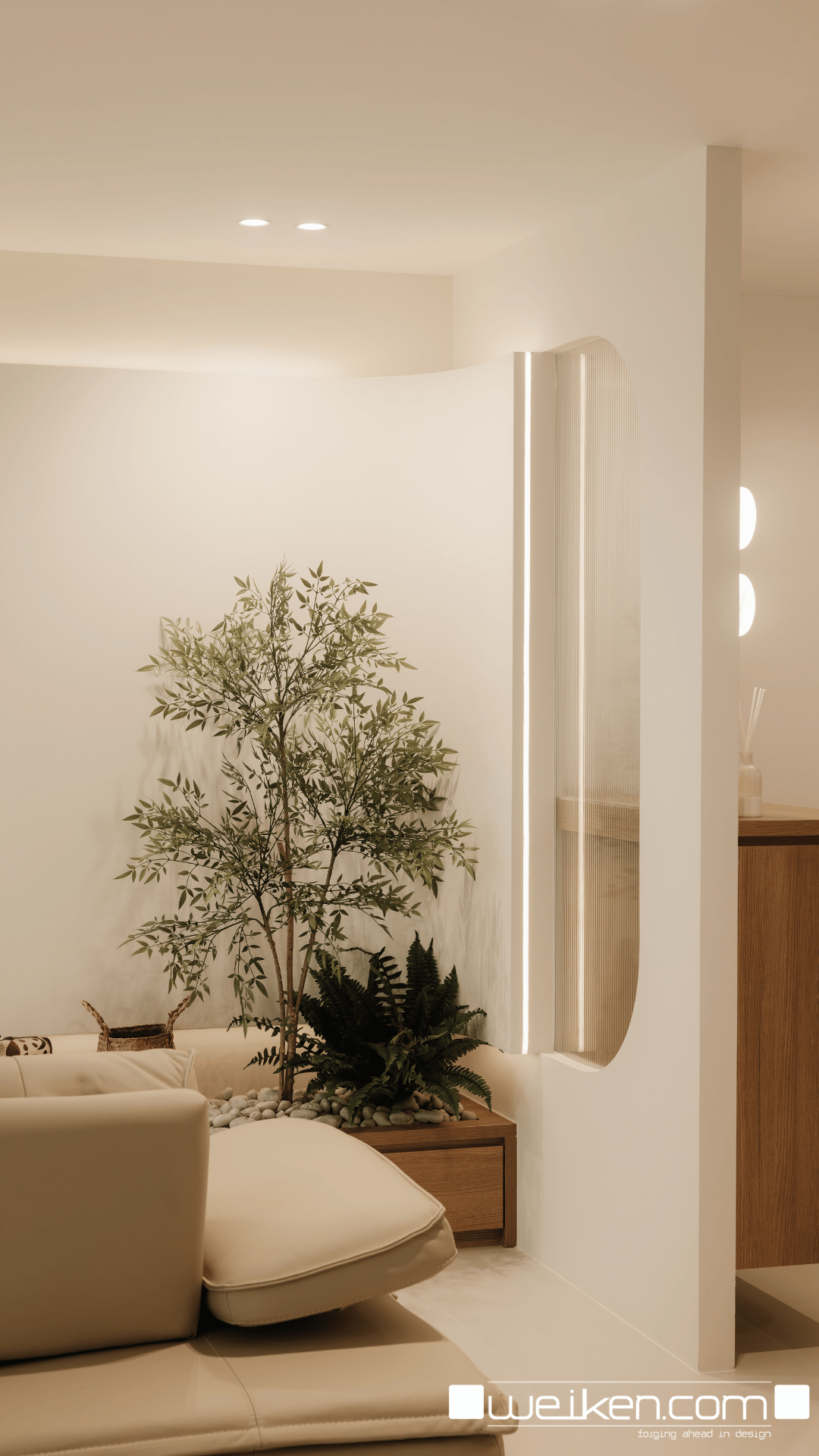
If there is one design detail that has grown noticeably in 2026, it’s curves. Curved carpentry, rounded kitchen islands, arched niches and softly profiled furniture are replacing the sharp, boxy forms that defined modern interiors for years.
This isn’t simply about aesthetics. Rounded edges make compact apartments feel less rigid, improve circulation in tighter layouts and create a more relaxed atmosphere. Designers are even introducing subtle curves into ceiling details, TV consoles and built-in wardrobes, not because they’re fashionable, but because they help smaller spaces feel less confined. It’s a small change that has a surprisingly big impact.
Materials are chosen for longevity, not trends
A few years ago, many homeowners selected materials because they looked good in renovation photos. Today, conversations sound very different. Clients are asking how surfaces will look after five or ten years.
- Can the laminate resist scratches?
- Will the countertop stain easily?
- Is the flooring comfortable to walk on barefoot?
These questions are influencing material choices across the industry. Sintered stone continues to gain popularity for kitchen countertops because of its durability and heat resistance. Timber-look vinyl flooring remains a favourite for families with young children, while matte laminates are increasingly preferred over glossy finishes because fingerprints are less visible.
People are also mixing materials more confidently. Instead of covering an entire home with one timber finish, designers combine oak, walnut, textured stone and soft fabrics to create depth without overwhelming the space.
Smart homes are becoming quieter
There was a time when every smart home feature was meant to be seen. Voice assistants sat prominently on shelves, touch panels filled the walls and homeowners proudly demonstrated automated gadgets to guests.
That excitement has faded. Technology is still everywhere, it has simply become less visible. Lighting scenes adjust automatically throughout the day. Curtains open according to schedules. Air-conditioning responds to occupancy sensors. Charging stations disappear inside drawers.
The best smart homes in 2026 aren’t the ones with the most devices. They’re the ones where technology quietly supports everyday routines without demanding attention.
Homes are beginning to reflect personality again
Perhaps the biggest cultural shift isn’t about furniture or colours at all. It’s about confidence.
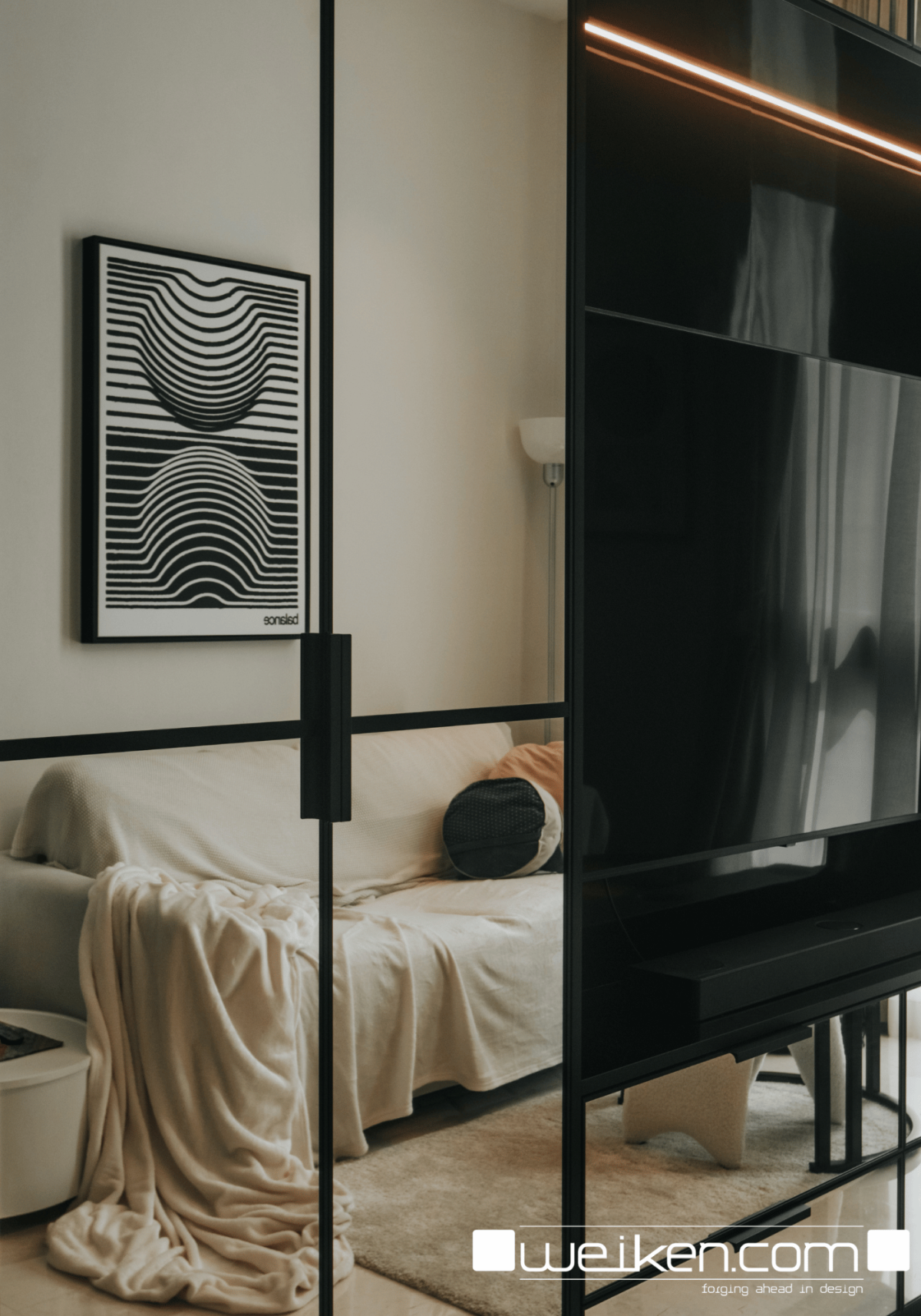
During the Pinterest boom, many Singapore homes started looking remarkably alike. Japandi living rooms, identical TV feature walls and matching dining sets appeared in almost every renovation showcase. That trend is slowly losing momentum. Homeowners are becoming more comfortable mixing styles.
A vintage teak cabinet might sit beside contemporary lighting. Local artwork shares the wall with travel photography. Handmade ceramics replace mass-produced decorative accessories. The result feels less curated, and far more authentic.
Interior designers are also encouraging clients to avoid designing for resale value alone. Instead, they’re asking a different question: “What kind of home do you actually want to come back to every evening?” That simple shift in thinking is influencing everything from colour palettes to furniture selection.
Wellness is quietly shaping design decisions
Another emerging trend is designing homes that support mental wellbeing. Not through expensive spa-inspired renovations, but through thoughtful planning. Natural daylight is prioritised wherever possible. Layered lighting replaces harsh ceiling fixtures. Reading corners, coffee nooks and quiet spaces are becoming common requests, even in smaller apartments. Indoor plants remain popular, but biophilic design has matured beyond simply placing greenery around the house.
Designers now focus on natural textures, better airflow and stronger connections between indoor and outdoor spaces. The goal isn’t to make a home look tropical. It’s to make it feel calmer.
Where Singapore interior design is heading
The biggest difference between today’s homes and those from five years ago isn’t a particular colour, material or design style. It’s the intention behind every renovation decision.
Homeowners are spending less time asking what’s fashionable and more time asking what will still work ten years from now. That shift explains why warm materials are replacing stark monochrome interiors, why hidden storage is becoming essential, why kitchens are evolving into social spaces, and why homes are beginning to reflect the personalities of the people living in them instead of the latest Pinterest board.
Interior design in Singapore has become noticeably quieter. Ironically, that’s exactly what makes it feel more sophisticated. Rather than chasing the next viral trend, homeowners are creating spaces that support everyday routines, grow with their families and remain timeless long after the renovation photos stop circulating online. And that’s a trend unlikely to disappear anytime soon.