Japanese Furniture Is Popular In Singapore?
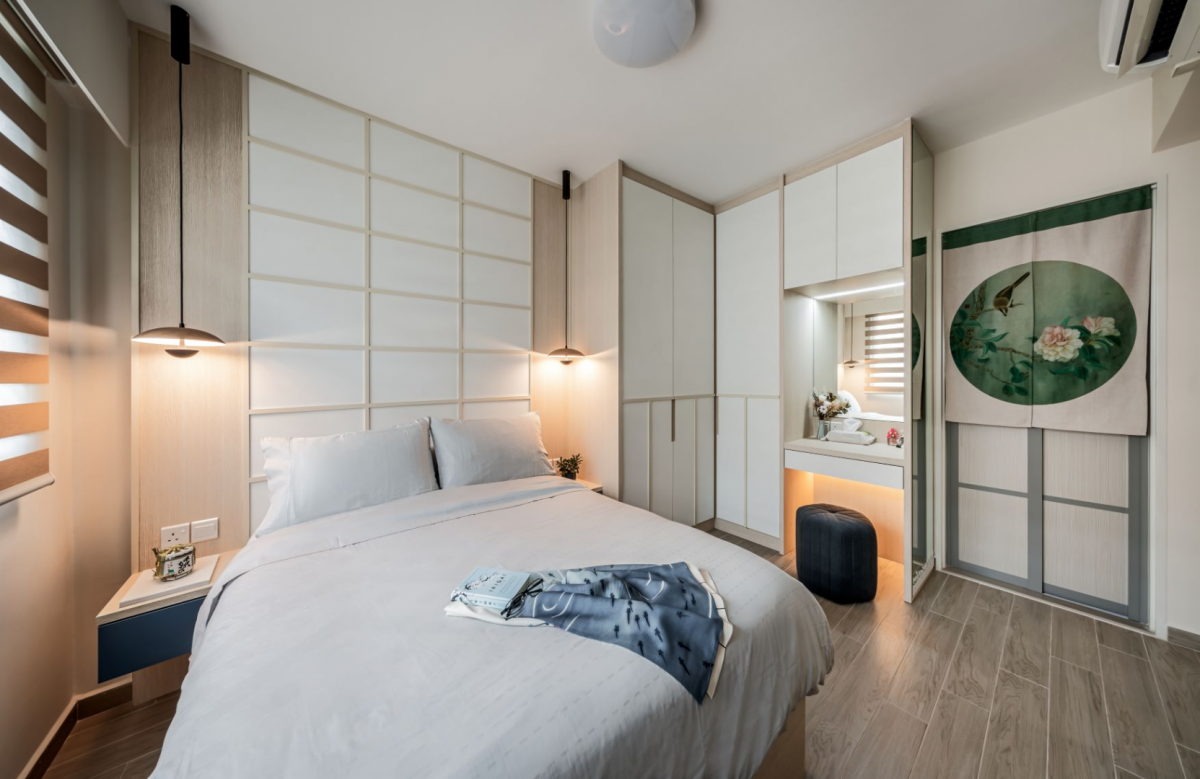
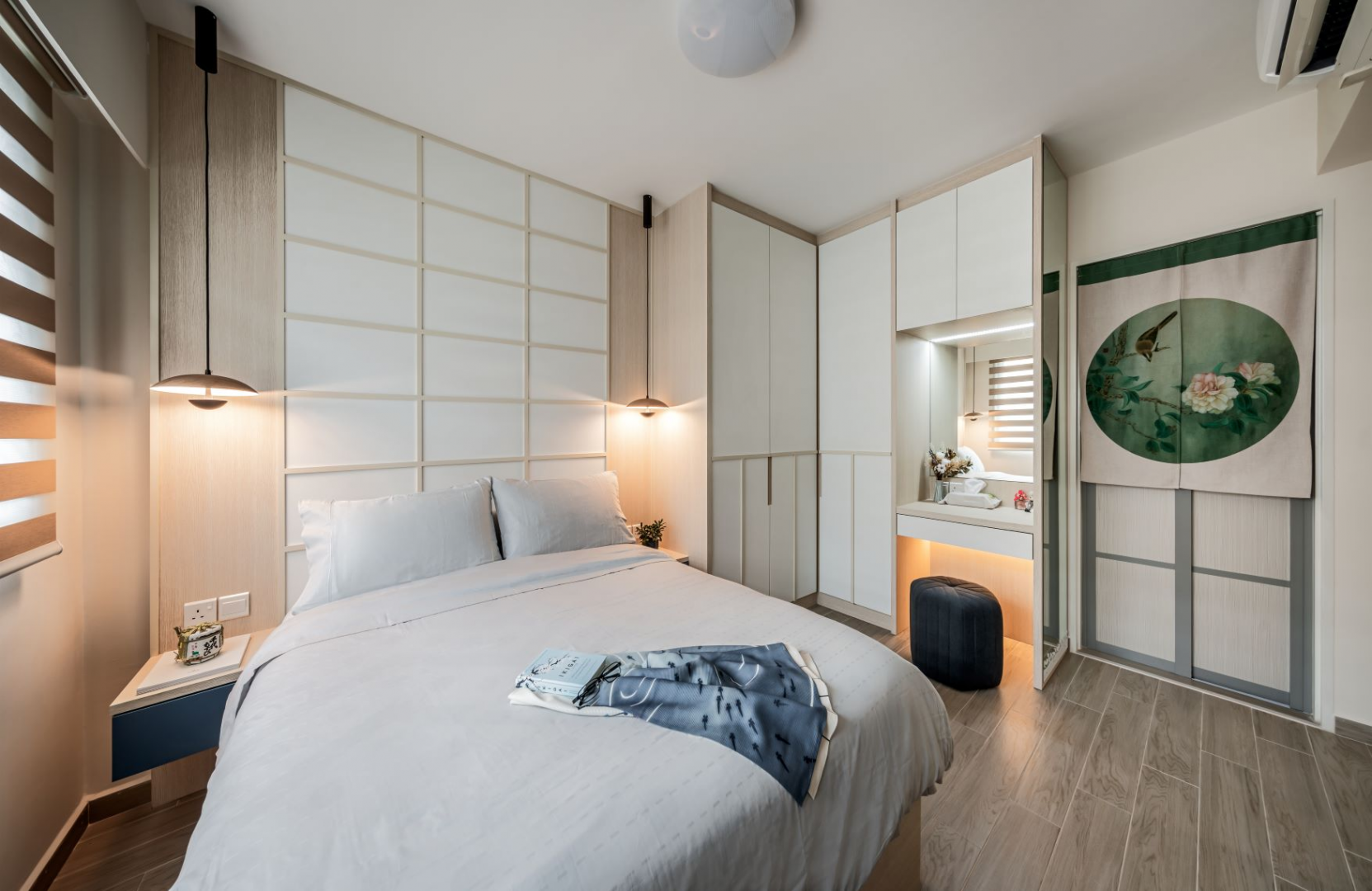
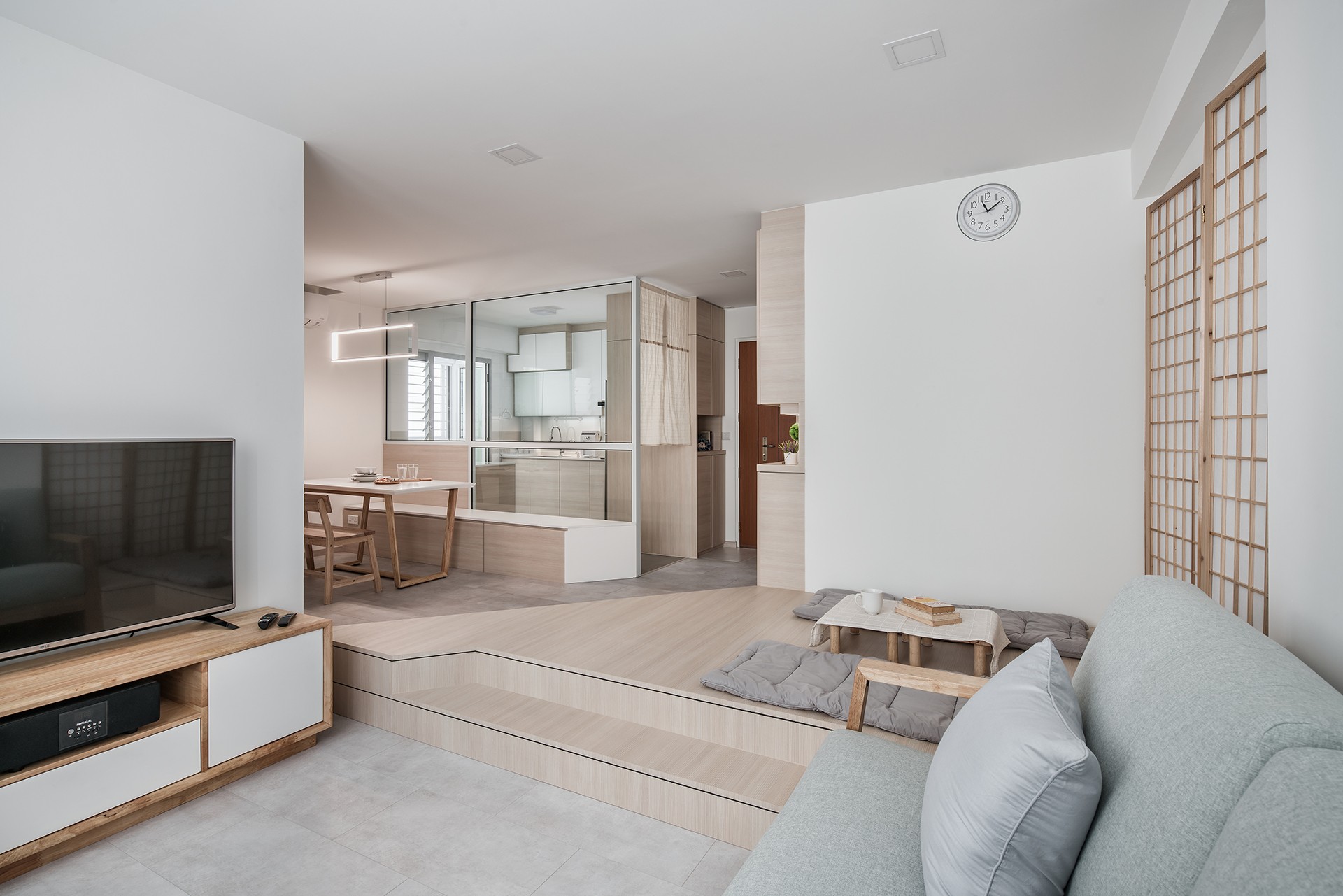
Japanese furniture in Singapore is straightforward, cozy, and flexible. It skillfully combines contemporary features with traditional Japanese design. Bamboo, beautiful timbers, silk, mats made of rice straw, and paper are just a few examples of the natural materials used to make Japanese furniture. It has been known that the Japanese design and produce elegant consumer products that are both aesthetically pleasing and functional. No wonder why Japanese furniture is so popular, not only in Asia; but all over the world.
Why Singapore People Love Japanese Furniture?
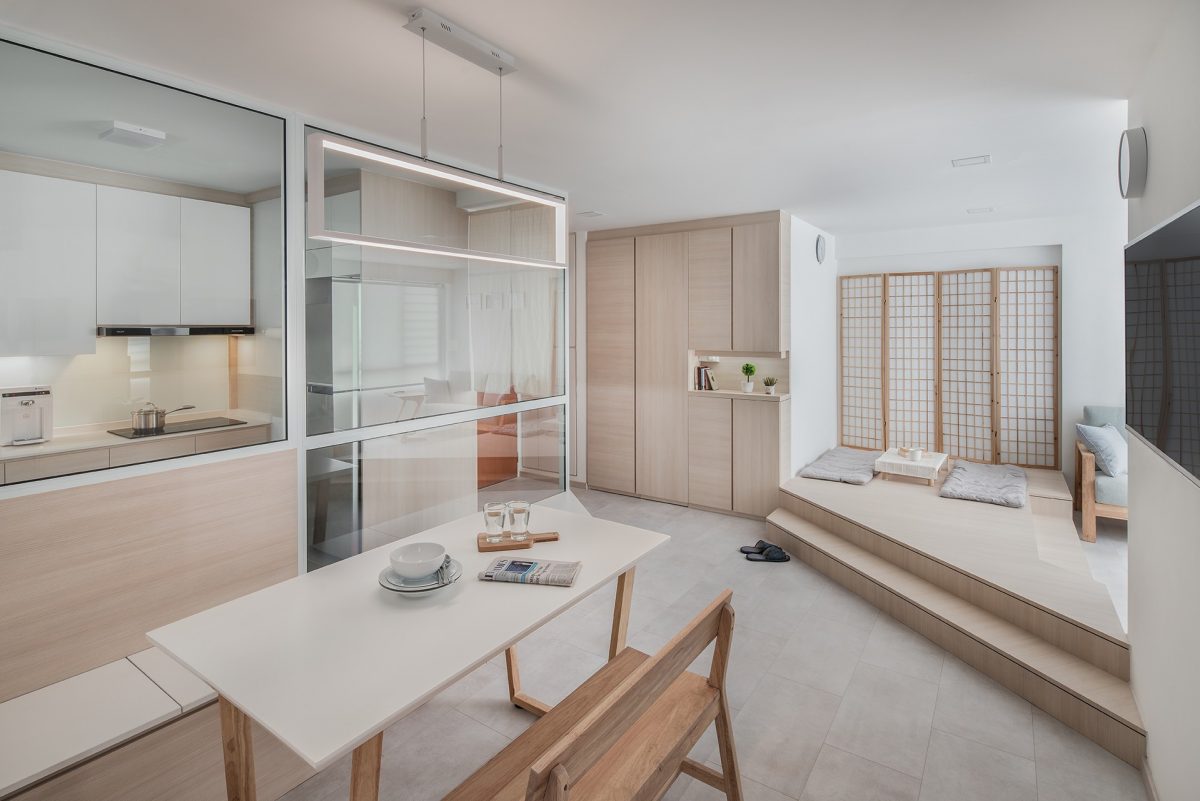
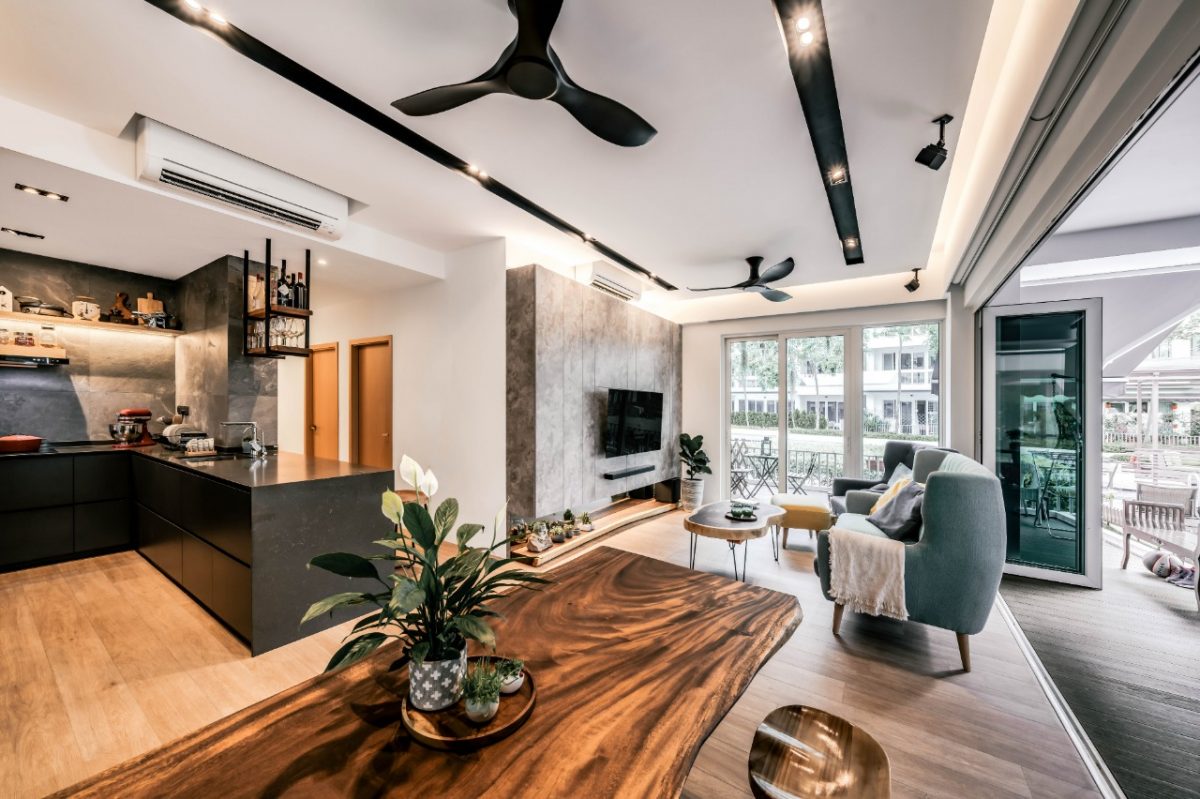
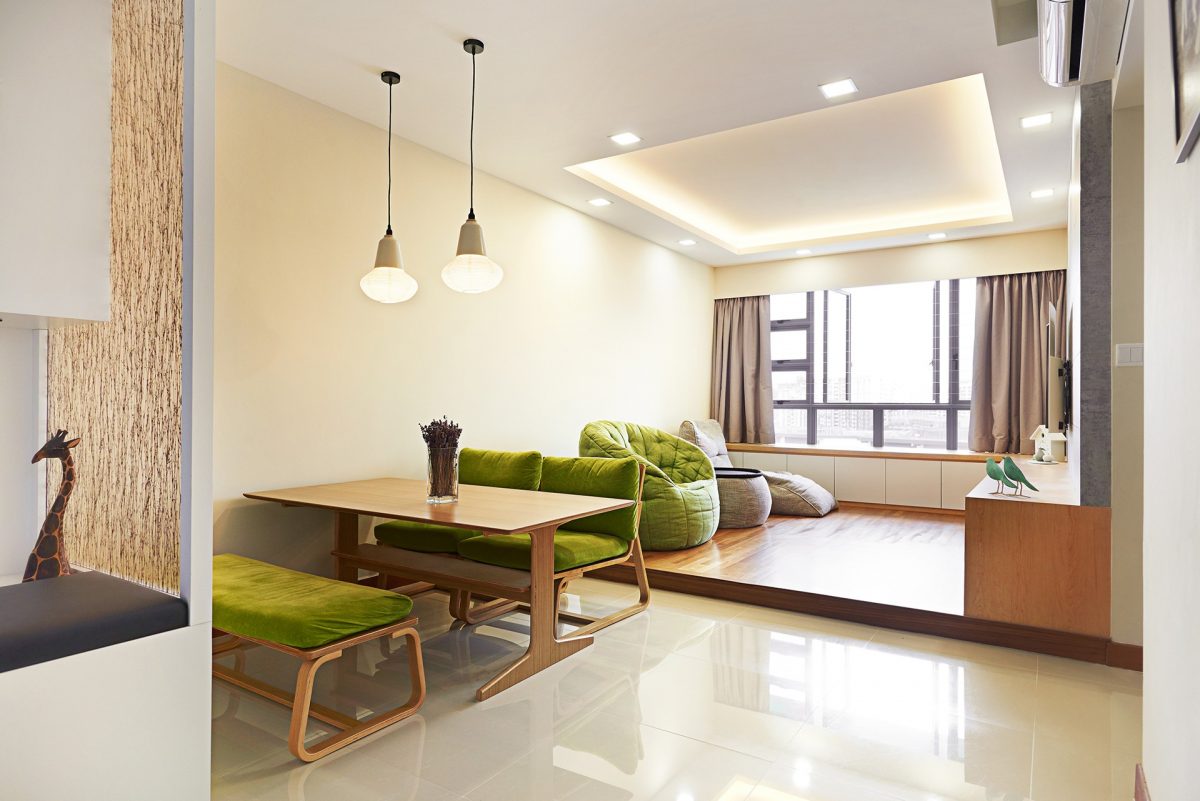
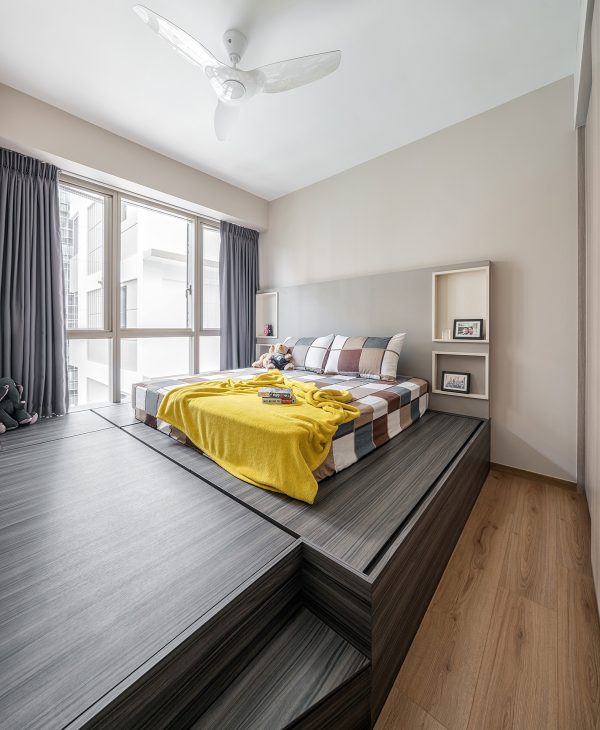
Homeowners here in Singapore favor Japanese-style furniture among others. It is primarily because many Singaporeans live in small apartments and HDB units where there is very limited space for large and bulky furniture pieces. Japanese furniture, on the other hand, is designed with simplicity, minimalism, comfort, and functionality in mind.
These characteristics make Japanese Furniture the ideal choice for tiny homes. Japanese-styled furniture is also crafted with the highest caliber of craftsmanship. When you decide to buy Japanese furniture in Singapore, you can be assured that the products are well-made, durable, and will last for a long time.
Japanese-Style Furniture Commonly Used in Singapore Houses
Wondering what furniture to buy to bring the Japanese interior design vibe into your home? We’ve gathered some of the best and most iconic furniture pieces to give you an idea.
1. Small and Low Coffee Table
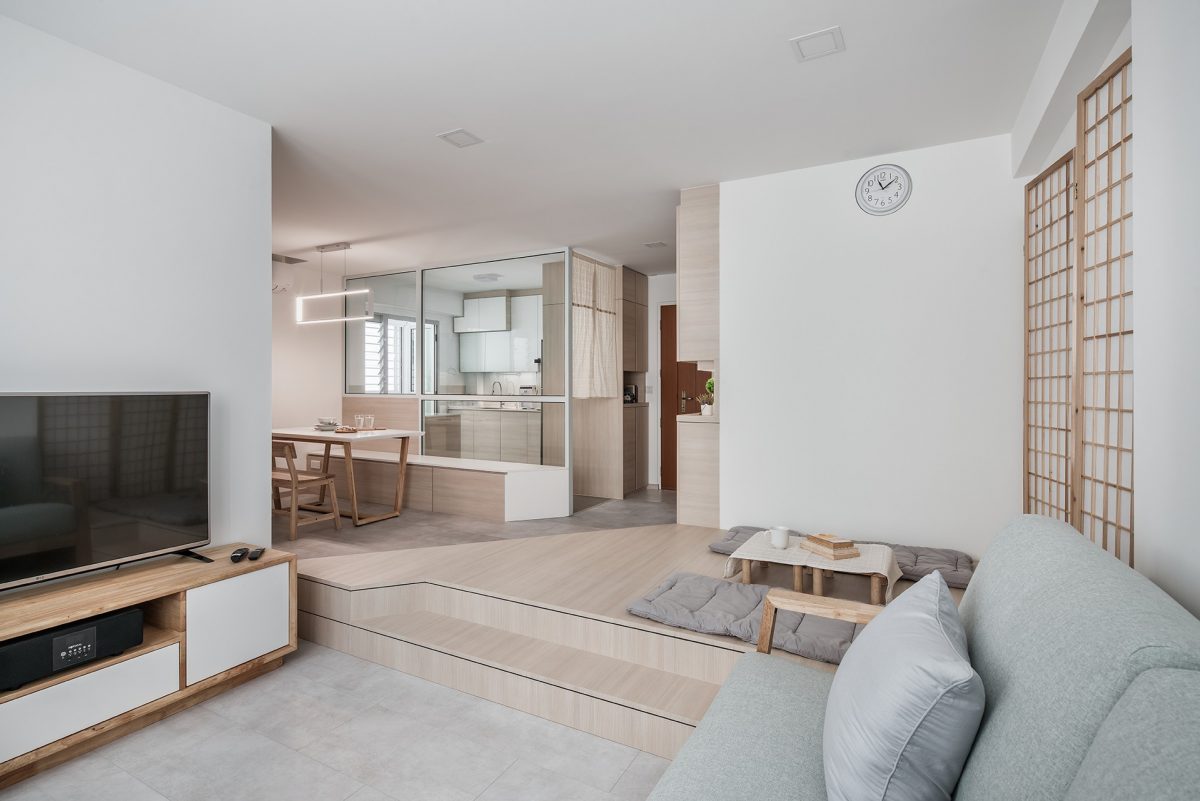
Low tables or short-leg table is the trademark of Japanese furniture. They call this furniture “Chabudai”. The original chabudai could stand up to 30 cm tall, although it was usually only 15 cm tall. Zabutons or tatami may be used instead of chairs while seated at a chabudai. If you really want to embody the Japanese culture in your home’s interior, you can get a low coffee table for your living room. Although the Japanese also utilize chabudai as a dining table, you can transform it into a center table instead for a much more modern appeal.
2. Legless Chair
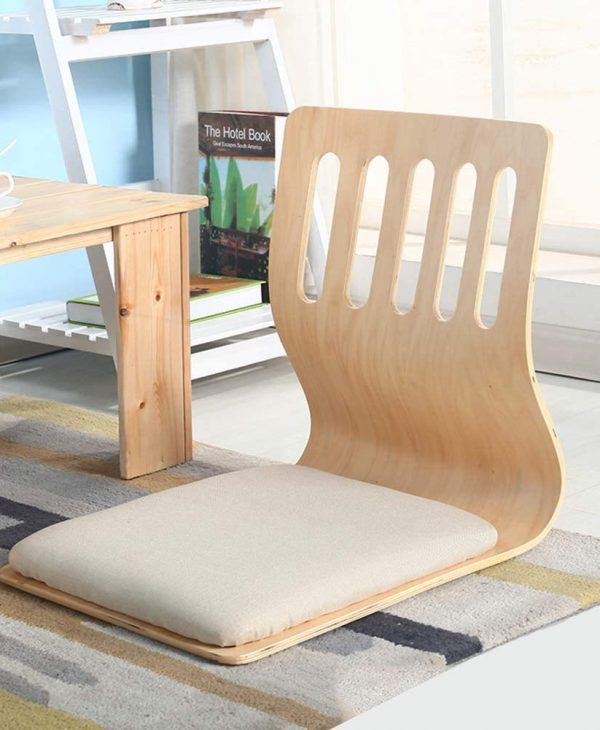
Despite its little size, the Japanese Wood Legless Chair is strong and can readily support loads or objects weighing up to 220 lbs. It has a soft sponge padding with a filling of dense, high resilience cushion. This furniture is also lightweight and is safe for families with toddlers because it has smooth rounded edges. it’s perfect to use with a low table for tea or for playing games.
3. 4-Panel Screen Room Divider
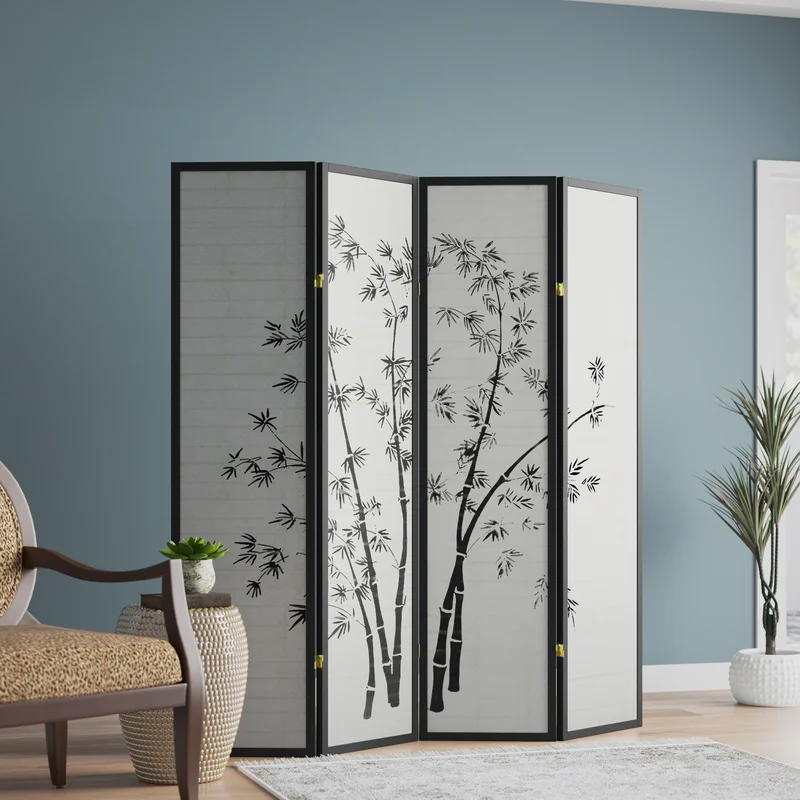
Screen room dividers are common ins traditional homes. Today, room dividers are utilized by interior designers and home decorators in a more creative and unique way. A 4-Panel Screen Room Divider has a modern, elegant appearance. It is a straightforward yet efficient method for creating isolation inside a space without having to erect a wall divider permanently. When it comes to establishing solitude in compact areas, this Japanese-inspired room divider is ideal. It is the ideal ornamental option for your house because it is simple to transport and folds flat for storage.
4. Rattan Chair
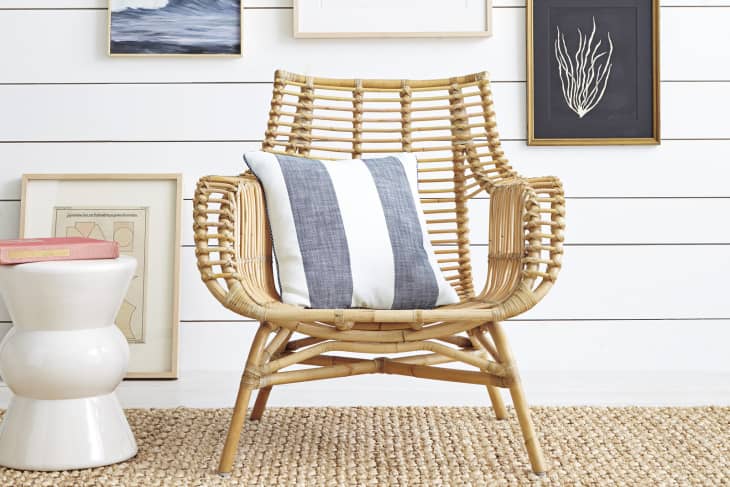
Rattan chairs are handcrafted goods created in Japan by skilled Japanese artisans. Japanese craftsmen use natural materials when creating furniture. These include bamboo straws, rattan, jute, and others. Rattan chairs are designed differently than classic Japanese furniture. They have a western design flair and are ideally used as accents and decorative chairs in the living room and lounge areas. Rattan chairs are great to have if you have a small balcony in your HDB unit where you can create a tiny relaxing nook.
5. Wishbone Chair
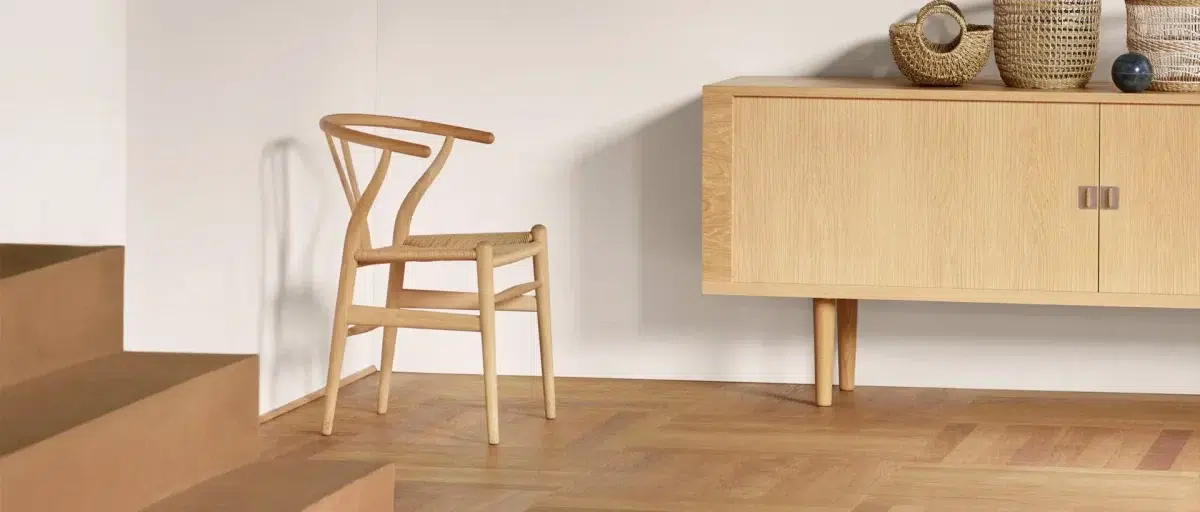
Hans Wegner created the Wishbone Chair for Carl Hansen & Son in 1949. It is sometimes referred to as the CH24 Chair or the Y Chair. The seat of the chair is made of paper cord rope and has an envelope-patterned weave. It also has a bentwood armrest. The backrest of the chair is designed like a Y or wishbone. This type of chair is commonly seen in minimalist and contemporary interiors which makes it one of the best furniture choices when designing minimalist Japanese interiors.
6. Hiroshima Chair
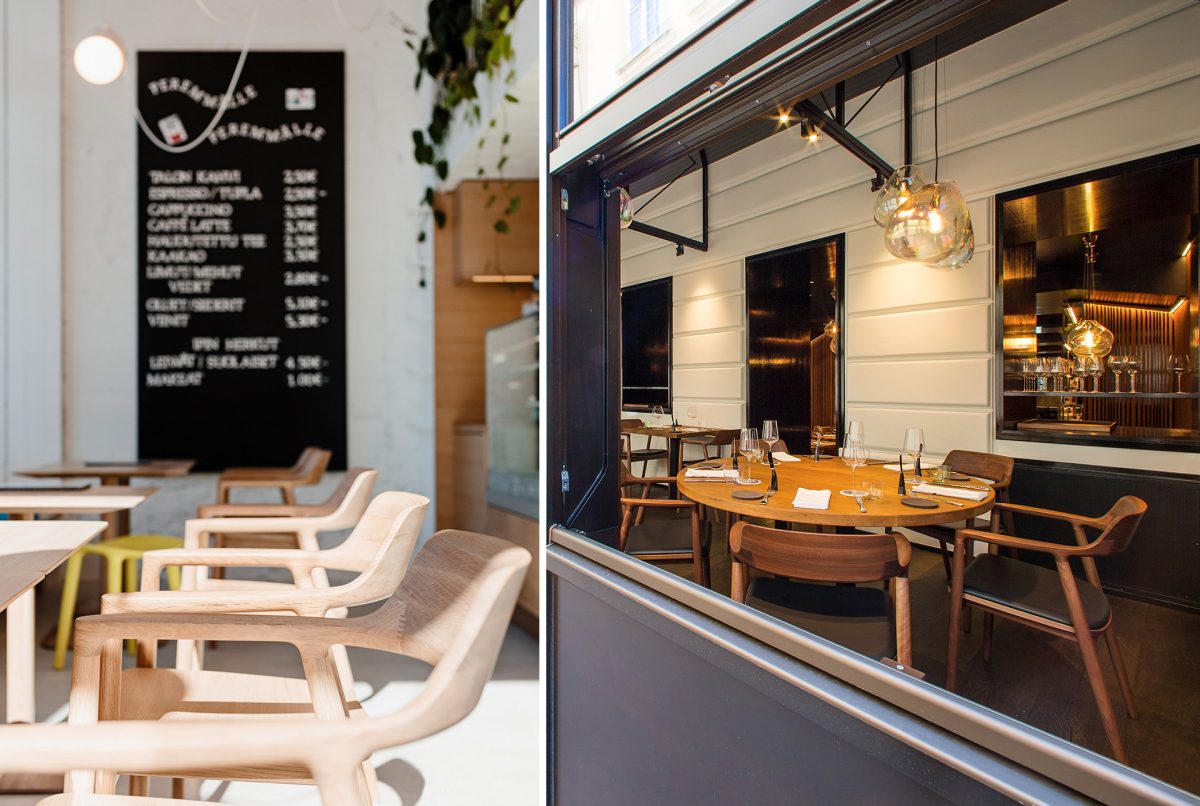
The Hiroshima armchair is designed by Naoto Fukasawa. The armchair seems hand-carved from a solid piece of wood thanks to its flawlessly smoothed joints. The chair has a sensation of freshness and a nod to the classic Japanese wooden chairs thanks to the texture and color of the beech and oak wood, which are left unmodified.
7. J104 Chair
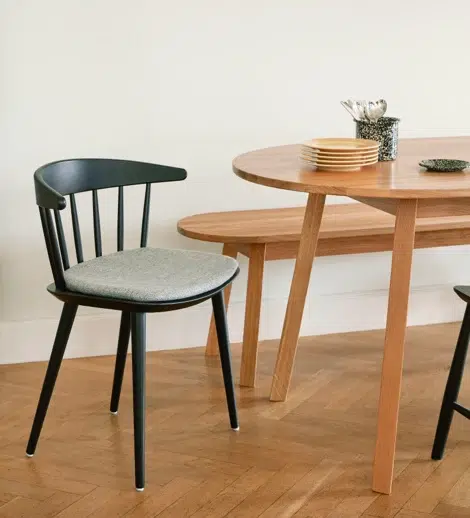
This type of chair is an iconic piece designed by a German designer. It is made of wood with either a natural finish or a range of colored treatments. It can be used both as an easy chair and a dining chair. What makes this chair one of the furniture pieces that you can use in a Japanese-styled interior is because of its minimalist and streamlined appearance. It is lightweight, doesn’t take up too much space, and is aesthetically modest.
Home Styles that Suit the Japanese Furniture
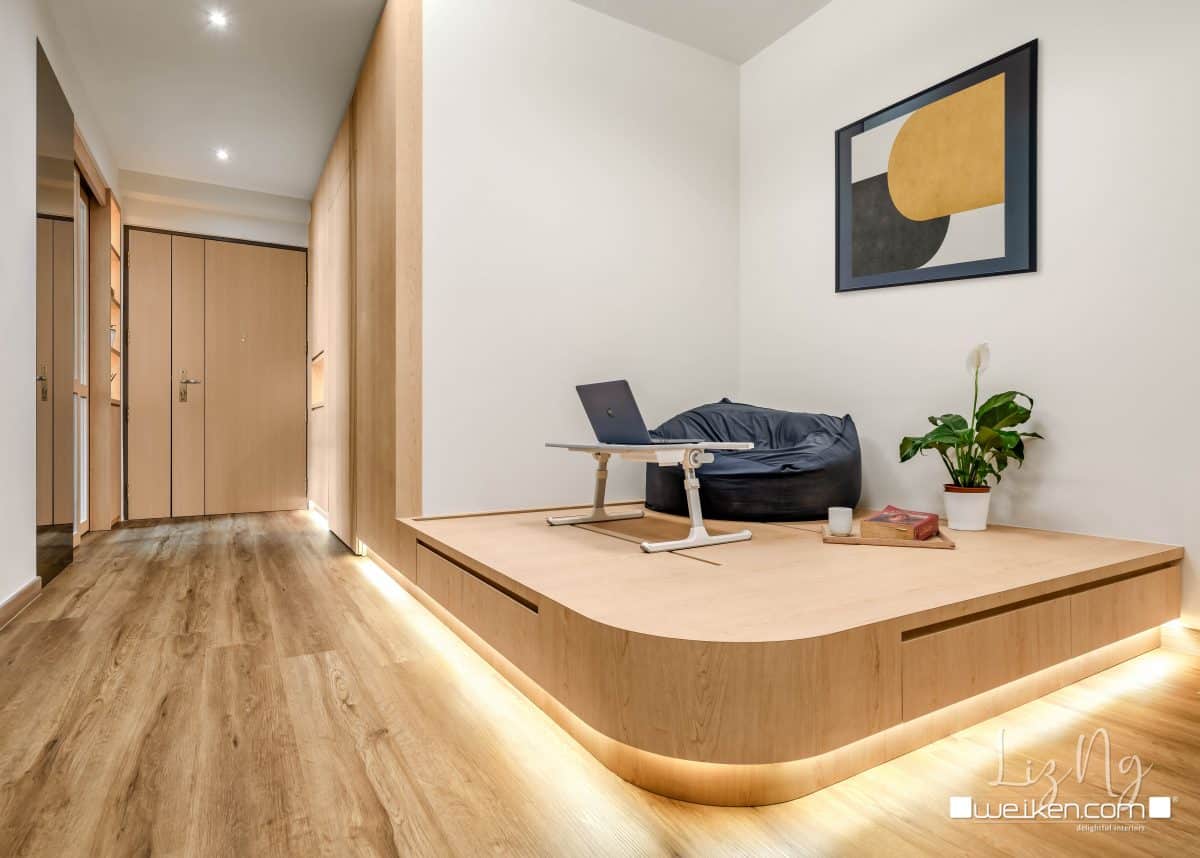
- Mid-century modern
- Contemporary
- Minimalist
- Scandinavian
- Japandi
- Bauhaus
Japanese Furniture Shop in Singapore
1. Ki-mono.net
Ki-mono.net sells Japanese items for your home and daily needs. The brand guarantees clients inexpensive and high-quality products. There are many various types of furniture available at their business, including chairs, tables, desks, TV stands, dressing tables, mattresses, racks, and shelves.
2. Atomi
A lifestyle shop called Atomi sells Japanese-themed furniture and home decor. The brand wants to give its clients a top-notch service and give them the things they require for a pleasant living. There are many various types of furniture available at their store, including couches, TV consoles, shelves, seats, tables, and many more.
3. FrancFranc World
Francfranc World is a Japanese home lifestyle product manufacturer and merchant; they provide a wide range of things including furniture, accessories, lighting, unique presents, and other designer items. Sofas, coffee tables, side tables, dining tables, cabinets, ottomans, and other furniture items can be found at this store/
4. Hommage Lifestyle
Hommage Lifestyle sells furnishings for all the different rooms in your house and has a wide variety of Japanese-made items for your residential space. People seeking luxurious Japanese furniture may get it by visiting this store.
Picture having a home where every object you owned had a specific location and use. This is the greatest method for capturing the allure of traditional Japanese furniture Singapore in your living room. Despite being straightforward, each item has a unique combination of capabilities and beauty that raises the value of the family’s living space. We hope this blog has inspired you to add the beauty of Japanese craftsmanship to your own home.